
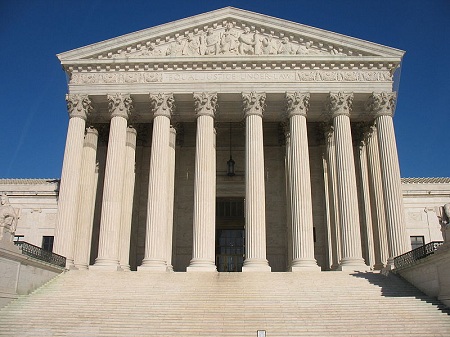
Advocates for migrants and refugees are turning to the U.S. Supreme Court in a last-ditch effort to revive asylum protections that the Trump administration has effectively dismantled.
The administration’s sweeping restrictions have closed off nearly all legal avenues for asylum seekers attempting to enter the United States and claim refuge from persecution.
Immigration attorneys and civil liberties organizations argue that the rollback violates longstanding domestic law and international obligations the United States has maintained for decades.
The move represents one of the most dramatic restructurings of American immigration policy in modern history, fundamentally altering how migrants fleeing violence and persecution are processed at the border.
Legal challenges have been working through lower courts, but advocates now believe only the nation’s highest court has the authority and reach to reverse what they describe as an unlawful dismantling of the asylum system.
The asylum framework, which allows individuals to seek protection from persecution based on race, religion, nationality, political opinion, or membership in a particular social group, has been a cornerstone of U.S. refugee policy since the Refugee Act of 1980.
Critics of the administration’s approach contend that executive action alone cannot override statutes passed by Congress, and that the Supreme Court will ultimately be forced to weigh in on the constitutional boundaries of presidential immigration authority.
The administration has not publicly indicated whether it intends to defend its asylum restrictions before the Supreme Court, though legal observers expect a prolonged battle through the judicial system.
Human rights groups have warned that the effective elimination of asylum leaves thousands of vulnerable people without recourse, forcing many to remain in dangerous conditions in their home countries or in transit nations.
The case is being watched closely by immigration lawyers, policy analysts, and foreign governments, as the outcome could reshape not only American law but also set a precedent for how democracies balance national security interests against humanitarian obligations.
