
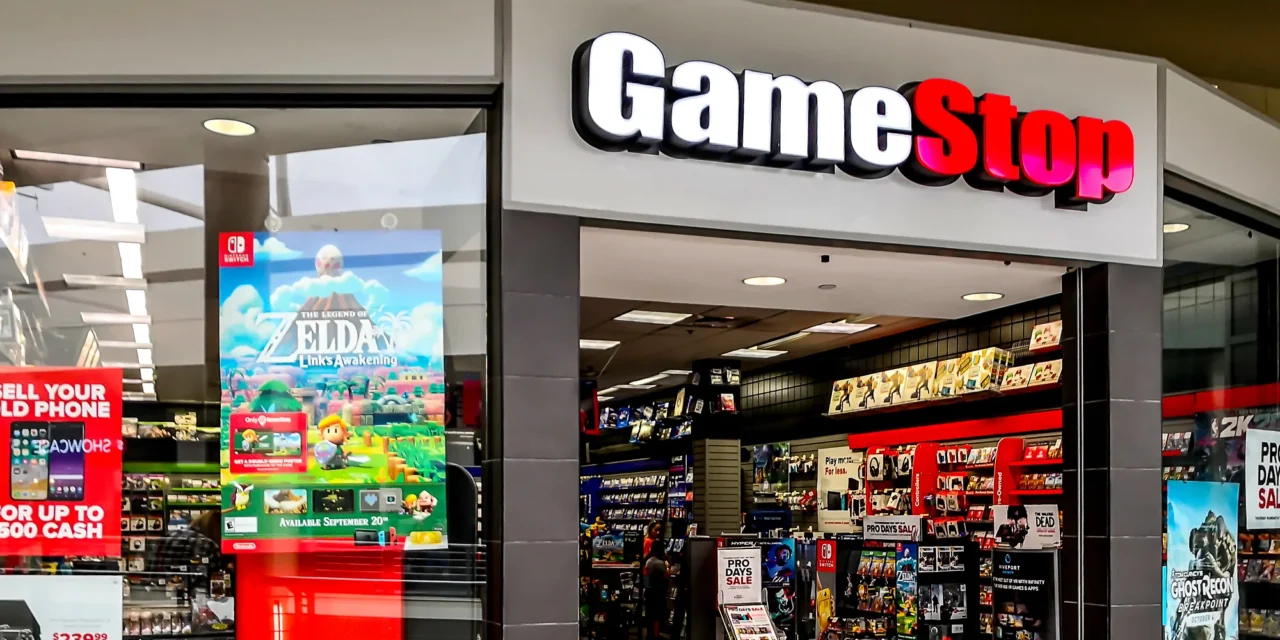
A dramatic shift in GameStop’s revenue mix is drawing serious analyst attention, with collectibles now accounting for 45.1% of the retailer’s total sales in its most recent quarter.
That figure, combined with a 57% year-over-year jump in collectibles revenue, has prompted StoneX analyst Mike Hickey to initiate coverage of GameStop (NYSE: GME) with a ‘Buy’ rating and a $33 price target.
The target implies a 24% upside from the stock’s last close, a striking call from a firm that previously held a negative view of the retailer.
Hickey’s thesis rests on three pillars: surging consumer appetite for collectibles, the selective reopening of U.S. store locations after years of closures, and anticipated hardware demand tied to the release of “Grand Theft Auto VI.”
“There’s really no other stock that you can buy that gives you that much exposure to collectibles,” Hickey said, framing the investment case around a market segment with few comparable publicly traded proxies.
The analyst was equally direct about the company’s valuation, stating, “It’s a real company, and it’s trading at what we think is a very undervalued price,” a notable shift from Wall Street’s longstanding reluctance to engage seriously with the stock.
Dan Ives, senior managing director at Yorkville Ives & Co., shares a similar view, crediting CEO Ryan Cohen with deliberately steering the business toward collectibles while tightening operational efficiency across the board.
“This is no longer a meme stock; it’s in the process of becoming a new and improved story,” Ives said, a characterization that would have been difficult to make just a year ago.
The fading power of meme-driven momentum was on display last Thursday, when Keith Gill, widely known as Roaring Kitty, broke nearly two years of social media silence by posting a picture of Cat Mario on his X account.
Gill’s 2021 posts helped ignite one of the most dramatic retail trading frenzies in market history, but his latest appearance produced only a 1.5% single-day gain before the stock retreated 1% the following session.
GME has nonetheless climbed 10% so far this month and has gained 32% year-to-date, buoyed by three consecutive weeks of advances that predate the Roaring Kitty post entirely.
Retail sentiment on Stocktwits remained firmly ‘bullish,’ with message volume rising 96% over the past week, suggesting that the investor base is increasingly focused on the company’s fundamentals rather than social media catalysts.
One Stocktwits user captured the mood succinctly: “What most people seem to be missing is that this is a much more solid company RN. The roaring meow never mattered for long-term holders.”
For a stock that spent years defined almost entirely by speculative trading activity, the convergence of analyst upgrades, improving revenue composition, and subdued reactions to meme triggers marks a meaningful change in how the market is beginning to price GameStop’s future.
