
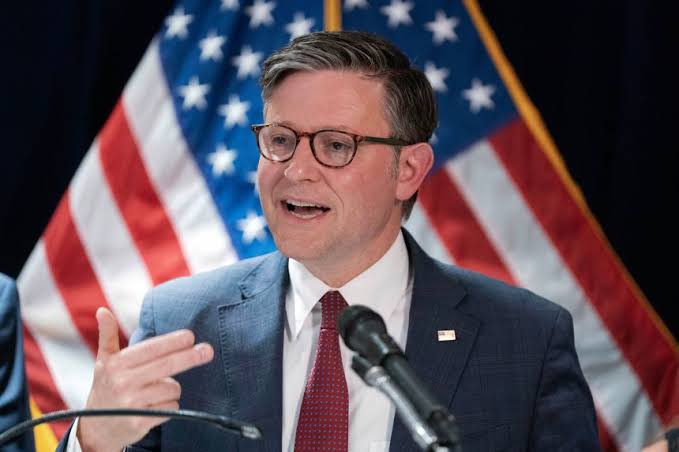
The focus now shifts to the House, where Speaker Mike Johnson (R-La.) faces a delicate path to passage for a sweeping federal permitting reform package.
Johnson told reporters he would first attempt to move the Bipartisan American Affordability and Jobs Act of 2026, known as BAAJA, through a fast-track suspension procedure requiring a two-thirds majority and blocking floor amendments.
Should that effort fall short, Johnson said he would pivot to a standard rules procedure that requires only a simple majority to advance the legislation.
House Democrats remain deeply split over BAAJA, weighing pressure from supportive energy and business interests against fierce resistance from environmental and tribal advocacy communities.
Many House members had withheld their positions entirely, waiting for the Senate to finalize the bill’s text before committing to a stance.
The Senate cleared that hurdle on November 19, 2026, passing the 500-page measure by a margin of 62 to 33 in a notably strong bipartisan showing.
Fifteen members of the Democratic caucus joined virtually all Republicans in backing the bill, the product of more than a year of negotiations and weeks of floor debate.
The White House was deeply involved in brokering the compromise, and President Trump has publicly expressed support for the final package.
At its core, BAAJA is designed to accelerate large-scale infrastructure and energy development by overhauling multiple layers of the federal permitting process simultaneously.
Among its most visible consumer provisions, according to the bill’s Democratic supporters, is a requirement that data centers contribute their fair share toward electricity and grid infrastructure costs.
Environmental advocacy groups mounted opposition, arguing the legislation bypasses tribal consultation requirements and moves too hastily to accommodate artificial intelligence infrastructure demands.
Senate Democrats who voted no contended the bill’s environmental regulatory overhaul went too far and pointed to the absence of support from a majority of tribal groups as a fundamental flaw.
Despite that criticism, the Senate’s lopsided margin suggests considerable legislative momentum heading into what is expected to be a more contentious House process.
