
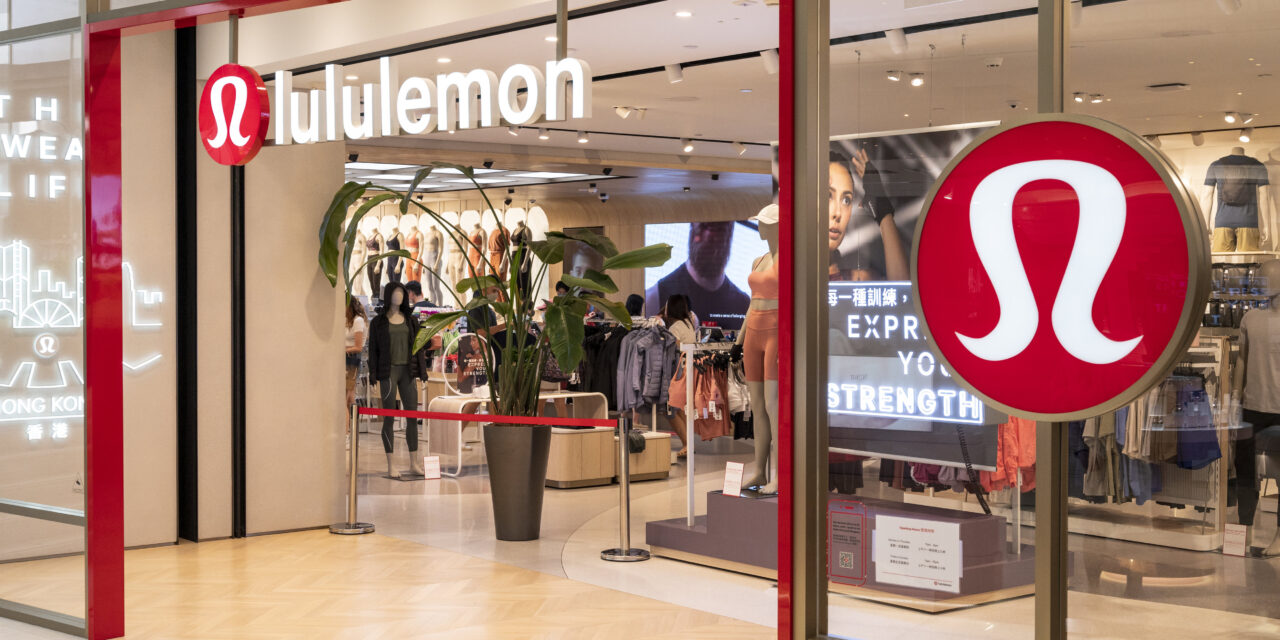
Lululemon Athletica (NASDAQ: LULU) is trading at a notable discount to its peers, with a Forward P/E ratio of just 11.13 against an industry average of 17.1.
That gap has done little to stabilize sentiment, as shares closed Tuesday at $104.14, sliding 1.25% on a day when the S&P 500 itself lost 1.03%.
The Dow Jones Industrial Average fell even harder at 1.65%, while the Nasdaq shed a comparatively modest 0.74%, underscoring a mixed session across major indexes.
Investors are increasingly focused on what the athletic apparel company’s next earnings report will reveal, with analysts projecting a quarterly EPS of just $0.98.
That figure would represent a 62.16% decline from the same quarter a year earlier, a drop that reflects the significant pressure Lululemon has been absorbing across its business.
Quarterly revenue expectations are similarly subdued, with the consensus estimate pointing to $2.31 billion, a 10.02% decline from the year-ago period.
Looking at the full fiscal year, Zacks Consensus Estimates project earnings of $9.47 per share and total revenue of $10.5 billion, representing year-over-year changes of -28.58% and -5.45%, respectively.
Adding to the cautious outlook, the consensus EPS projection has drifted 0.86% lower over the past 30 days, reflecting ongoing analyst reassessment of near-term business conditions.
Zacks currently assigns LULU a rank of #3, categorized as a Hold, placing it in the middle tier of a system that has seen its top-rated stocks generate average annual returns of +25% since 1988.
The company’s PEG ratio of 2.53 sits above the Textile-Apparel industry average of 2.12, suggesting the market is pricing in relatively modest earnings growth expectations going forward.
Despite those headwinds, the stock had actually outperformed heading into Tuesday’s session, having gained 7.88% over the prior period while the Consumer Discretionary sector rose just 4.2%.
That prior momentum stands in contrast to the S&P 500, which posted a loss of 3.04% over that same stretch, making LULU’s recent resilience more notable in context.
The Textile-Apparel industry itself holds a Zacks Industry Rank of 98, placing it in the top 40% of more than 250 tracked industries, a position that offers some structural support for the sector.
Research from Zacks shows that industries ranked in the top half consistently outperform those in the bottom half by a factor of two to one, making sector positioning a meaningful variable for investors.
For Lululemon, the question heading into its next earnings release is whether its valuation discount is a buying opportunity or a reflection of earnings risk that analysts are still fully pricing in.
