
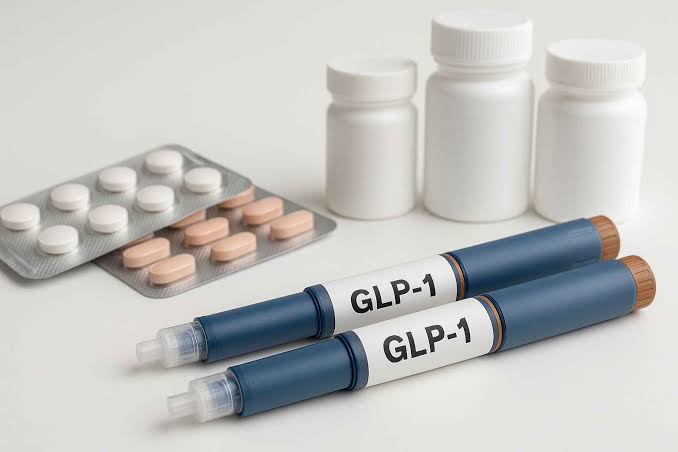
New research from Australia is challenging one of the most repeated pieces of advice given to people using GLP-1 weight-loss medications to manage their body weight.
The conventional wisdom has long held that resistance training is essential during GLP-1 drug therapy primarily because it protects against muscle loss that can accompany rapid weight reduction.
Researchers in Australia have now produced some of the first rigorous scientific evidence examining that assumption, and their findings point to a more nuanced picture than the standard gym-or-lose-muscle warning suggests.
According to reporting by journalist Elie Dolgin, the Australian study indicates that lifting weights remains genuinely worth the effort for people on GLP-1 therapies, though the core reason differs from what most patients are told.
GLP-1 receptor agonists, a class of drugs that includes widely prescribed medications for obesity and type 2 diabetes, have surged in use globally over recent years, making questions about optimal lifestyle habits alongside them increasingly urgent.
The muscle preservation argument has dominated public health messaging around these drugs, with doctors and fitness professionals routinely warning patients that skipping resistance exercise risks significant lean tissue loss during treatment.
What the Australian researchers appear to have found is that the benefits of weight training during GLP-1 use extend beyond simply defending muscle mass, suggesting the exercise delivers value through separate or additional mechanisms.
The study represents a meaningful step forward because rigorous clinical evidence on exercise protocols specifically tailored to GLP-1 drug users has been relatively scarce despite the medications’ rapid adoption worldwide.
For the millions of patients currently on GLP-1 therapies, the findings could reshape how physicians and fitness coaches frame exercise recommendations, shifting the conversation away from fear-based messaging toward a more complete understanding of the benefits.
The research adds to a growing body of work exploring how lifestyle interventions interact with the new generation of weight-loss drugs, a field that is expanding rapidly as long-term patient outcomes come under closer scientific scrutiny.
