
At least 30 Republican House members lost their seats in the midterms, stripping the party of its congressional majorities and immediately igniting a war over blame, strategy, and succession.
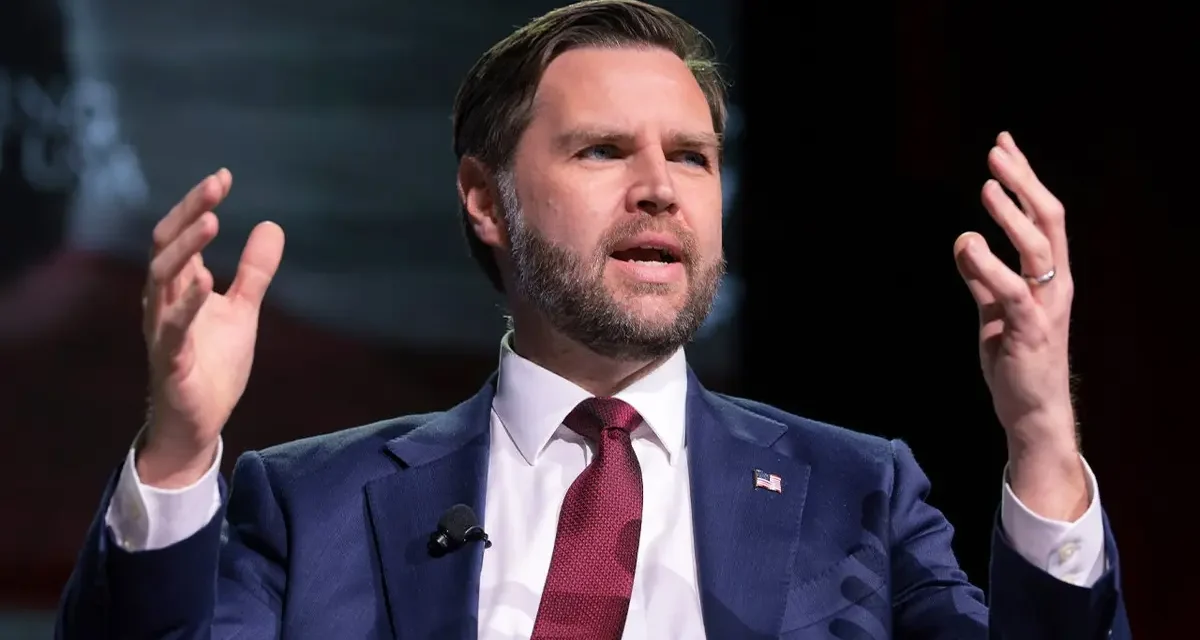
With the wreckage barely assessed, potential 2028 presidential contenders are already drawing serious attention from within the GOP, complicating what many assumed would be Vice President JD Vance’s unobstructed path to a White House run.
Rep. Marlin Stutzman, R-Ind., declared himself “all in” for Secretary of State Marco Rubio after the midterms, calling him a potential unifying figure for a party searching for direction following its heavy losses.
Rubio joins Florida Gov. Ron DeSantis and Sen. Ted Cruz of Texas among the Republicans whose names have surfaced as credible alternatives to Vance for the 2028 nomination.
The crowding field reflects growing unease within Republican circles about Vance’s post-midterm conduct, particularly a Nov. 4 post on X in which he identified the Iran war as the primary driver of the party’s electoral defeat.
“The reason we lost is the war. The president himself said so last night,” Vance wrote, a line that drew immediate backlash from fellow Republicans even as it earned backing from Donald Trump Jr., who called every word of it correct.
Rep. Randy Fine, R-Fla., went further than most critics, telling Fox’s LiveNOW on Nov. 8 that he would not back Vance under any circumstances in a 2028 primary, comparing the vice president’s framing to rhetoric from “1932 Germany.”
“I definitively will not be supporting the vice president in that nominating contest,” Fine said, accusing Vance of implicitly faulting Jewish Americans by criticizing the war and referencing voter dissatisfaction with U.S. policy toward Israel.
Vance’s post did not explicitly reference Jewish people, and his office declined to address Fine’s characterization publicly.
The sharpest substantive rebuttal came from former Vice President Mike Pence, who argued that voter frustration stemmed not from Trump launching the conflict but from the administration’s failure to see it through to conclusion.
“There’s no question that the war in Iran became a frustration for millions of Americans, but it wasn’t because President Trump started the war or took on Iran. It’s because we stopped short and didn’t finish it,” Pence said, adding that repeated negotiations and rising fuel prices had eroded public confidence.
President Trump has publicly defended Vance’s midterm assessment and rejected suggestions of any personal rift, telling reporters Sunday that his relationship with the vice president remained intact.
Trump nonetheless reassigned Vance’s focus last Thursday, directing him away from Iran diplomacy and toward alleged corruption in Democratic-run states, while declaring that Washington no longer had any need to negotiate with Tehran.
Vance had previously served as a central figure in Iran diplomatic efforts, including talks that produced a short-lived truce earlier in the year, making Trump’s pivot a notable reassignment of his portfolio.
On the question of 2028, Trump’s public posture has remained carefully noncommittal despite privately signaling support for Vance during a donor meeting over the summer, where he reportedly said Republicans needed to elect the vice president.
When asked directly on Nov. 4 whether he had discussed a Vance presidential run, Trump offered only that the two talk about “a lot of things,” before adding: “Maybe he won’t run. I don’t know who’s going to run.”
Vance himself has struck a similarly undecided tone, saying in an October interview with Mark Halperin that he had not yet made up his mind, while expressing confidence that Trump would back him if he chose to enter the race.
“I really have not made up my mind about what to do in 2028. I just haven’t focused on it… Look, I think if I run, the president will endorse me,” Vance said.
The Wall Street Journal reported on Nov. 7 that some Vance allies have privately urged him to consider skipping the 2028 race altogether, though the Washington Post reported separately that others in his orbit still expect him to run.
One Vance ally pushed back firmly on the notion that the midterms had weakened his position, arguing that winning a hard-fought Republican primary would ultimately serve the vice president better than inheriting a cleared field.
