
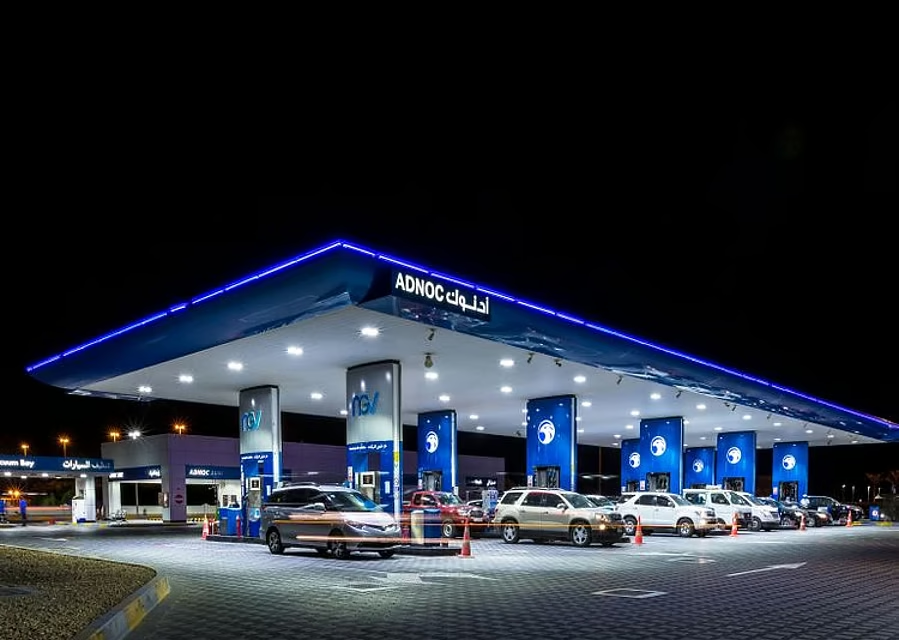
ADNOC has criticized Reuters after the publication published a “false and inaccurate” article about the company.
Abu Dhabi National Oil Company (ADNOC) had less than half an hour between learning a story was coming and seeing it go live on one of the world’s largest newswires.
Reuters notified ADNOC at 8:00am Gulf Standard Time on November 13 of its intention to publish a report on the expected completion date of the company’s second crude oil pipeline.
Despite ADNOC explicitly advising the news agency that the story contained inaccurate information, Reuters proceeded to publish the report at 8:22am.
ADNOC said the report’s central claim is false and that it was based on a single source outside the company who had no knowledge of its operations.
The Abu Dhabi company dispatched a response statement to Reuters, but a corrective update to the story took more than two hours to appear.
When the update did run, Reuters quoted an ADNOC spokesperson describing the story as “false and inaccurate” but provided no additional context or explanation.
In a pointed statement, ADNOC called on the wider media to exercise greater caution, saying: “At a time of heightened tension, we ask our colleagues in the media to report responsibly on ADNOC, and to hold to their own standard of ‘accuracy before speed.'”
The November 13 incident is not isolated, as Dubai Media Office made a similar allegation against Reuters in July 2026, disputing a report about alleged “explosions” in Downtown Dubai.
Reuters subsequently retracted that story the same evening and issued a statement expressing regret over the report’s publication.
The fallout from that July episode proved significant, with the UAE’s Public Prosecution broadening its investigation into how the false report was prepared, approved, and circulated.
Attorney-General Counsellor Dr. Hamad Saif Al Shamsi confirmed that Public Prosecution had taken statements from the Reuters reporter responsible, and summoned others involved in the editorial process.
The twin controversies are intensifying scrutiny of how international media organizations verify and publish sensitive reporting about the UAE during a period of regional instability.
