
A record-breaking order book is commanding Wall Street’s attention at Rocket Lab USA (NASDAQ: RKLB), even as the company’s third-quarter earnings delivered a mixed picture for investors.
The aerospace firm’s backlog surged 52% from the prior quarter to reach $3.57 billion, a company record that analysts say reflects genuine commercial momentum rather than speculative demand.
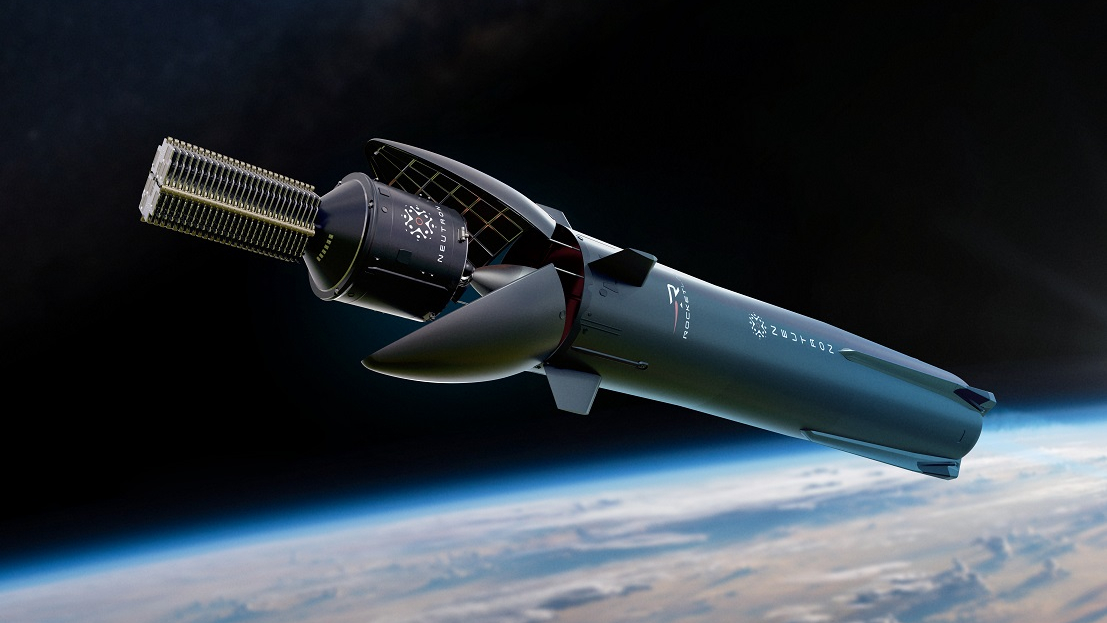
Contributing heavily to that figure, Rocket Lab secured more than $515 million in fresh Neutron launch contracts during Q3 alone, bringing the total number of booked Neutron missions to 16.
The company also moved to capitalize on that demand by raising the listed base price of its Neutron rocket to $70 million per mission, a pricing signal that analysts interpret as confidence in forward capacity constraints.
Revenue for the quarter climbed 73% year-over-year to $268 million, comfortably ahead of the $257.21 million consensus estimate, though an EPS loss of $0.12 came in wider than the $0.07 loss analysts had projected.
Despite the earnings shortfall and a 10% year-to-date decline to $62.70 per share, the Street’s overall stance on the stock remains decisively bullish, with 15 Buy ratings and just three Holds assigned over the past three months.
The average analyst price target of $95.35 implies roughly 52% upside from current levels, with some forecasters sitting considerably higher than that consensus figure.
KeyBanc’s Michael Leshock, who ranks among the most profitable analysts covering RKLB with a 38.4% average return per trade and a 62% success rate over the past three months, reiterated his Buy rating and $100 price target following the Q3 print.
Leshock sees structural tailwinds reinforcing the thesis, arguing that growing demand paired with limited launch capacity should support both higher pricing and stronger bookings for Rocket Lab’s Electron and Neutron vehicles.
Cantor Fitzgerald’s Andres Sheppard, identified as the most accurate RKLB analyst across both three-month and one-year timeframes with a 78% success rate and 35% average return per trade, trimmed his target from $122 to $111 but maintained his Buy rating.
Sheppard pointed to the company’s launch track record, breadth of rocket offerings, and dedicated launch infrastructure as durable competitive advantages, and cited the pending Iridium (NASDAQ: IRDM) acquisition as an additional catalyst.
Barclays analyst Anthony Valentini took a more cautious tone, reducing his price target from $85 to $82 while retaining a Buy rating, flagging uncertainty around near-term launch timelines and a wider-than-anticipated EBITDA loss outlook.
Valentini’s trimmed target reflects the Q3 results’ uneven character, though he acknowledged the strength of the Neutron bookings pipeline as a meaningful positive offset.
With the Neutron program accelerating commercially and a backlog that now stands at an all-time high, the central question for investors is whether execution over the coming quarters can close the gap between the current share price and what analysts broadly believe the business is worth.
