
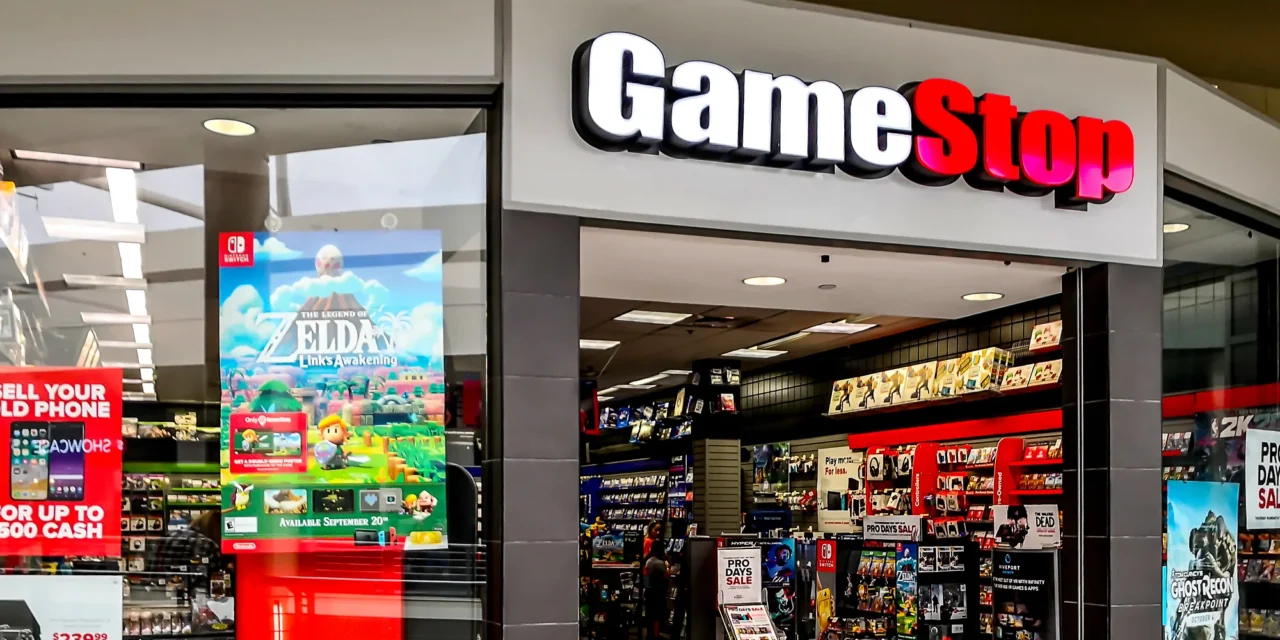
A Wall Street firm has broken from the skeptical consensus to argue that GameStop (NYSE: GME) carries real, substantive growth potential rather than speculative hype.
The endorsement arrives at a notable moment, with GME shares climbing 1.63% and the stock tracking toward its strongest annual showing in two years.
If the current trajectory holds through year-end, 2026 will mark GameStop’s best yearly performance since 2024, a benchmark that once seemed improbable for the struggling retailer.
The company has long been defined by its 2021 short squeeze, when retail traders on social media platforms drove its share price to stratospheric levels before an equally dramatic collapse.
That episode permanently attached the “meme stock” label to GameStop, making it difficult for the company to be evaluated on conventional fundamental or strategic grounds by mainstream analysts.
The fact that an identifiable Wall Street firm is now willing to stake a bullish position signals that at least some institutional voices believe the meme narrative may be obscuring something more durable.
GameStop has spent recent years attempting to rationalize its cost structure, shed underperforming retail locations, and explore new revenue channels as physical game sales continue their long secular decline.
Whether those efforts amount to a credible transformation or simply a slower deterioration remains the central dispute among investors and analysts tracking the company.
The meme-stock stigma creates an unusual analytical problem, as sharp price moves in GME shares are often attributed to social media momentum rather than any change in the company’s underlying business performance.
For investors weighing the stock now, the core question is whether the Wall Street firm’s growth thesis reflects a disciplined re-reading of GameStop’s fundamentals or simply another chapter in a story driven more by sentiment than by earnings.
