
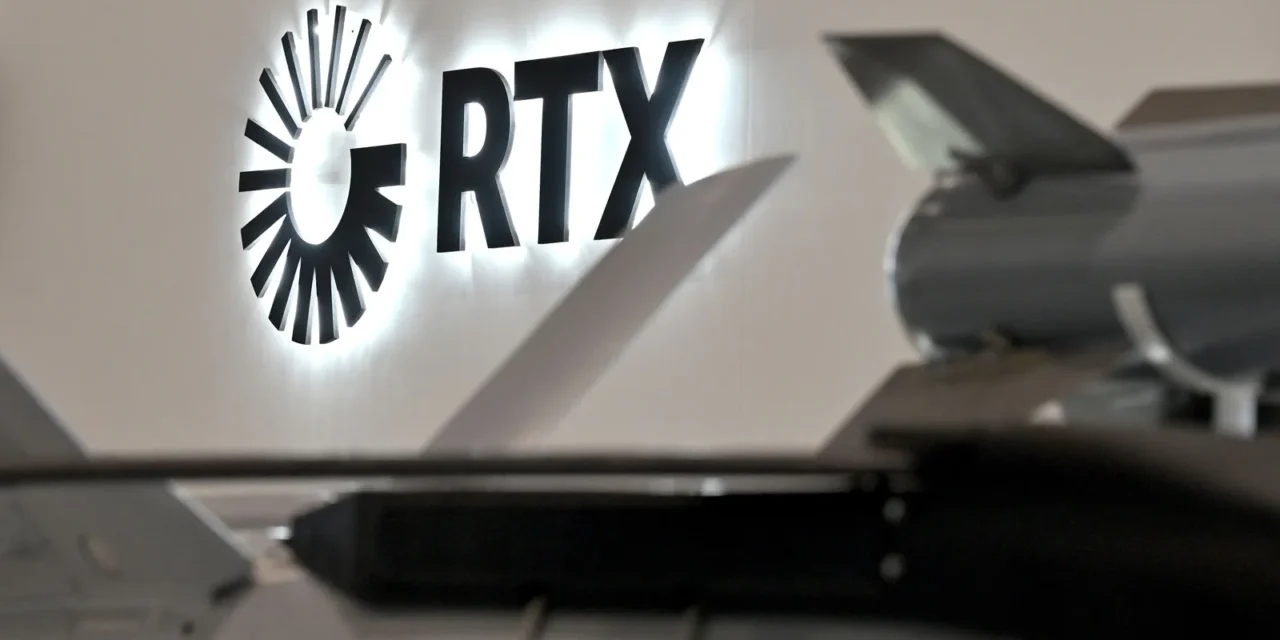
A reusable launch pod capable of holding 24 rockets is central to Raytheon’s pitch for modernizing how the US Army trains with rocket systems at lower cost.
The Raytheon division of RTX (NYSE: RTX) conducted its third flight test of the DeepStrike JR3 at Yuma Proving Ground in Arizona, advancing a programme aimed at replacing the Army’s aging Reduced Range Practice Rocket.
Engineers fired multiple rockets in rapid succession during the demonstration, while simultaneously evaluating how well the launch pod container holds up to repeated use and field maintenance demands.
Assessors examined a broad set of performance indicators during the test, including range, flight trajectory, accuracy, marking system visibility, and the durability of the reusable container itself.
Brian Burton, Raytheon’s Vice President of Precision Fires and Maneuver, framed the system’s appeal in terms of both capability and economics, saying the JR3 “meets the performance the Army expects from a training rocket while driving down cost and complexity.”
Burton added that pairing a lower-cost rocket with a reusable launch pod delivers “a modern, sustainable way to train,” a combination Raytheon argues addresses long-standing concerns about training expenditure.
The JR3 was developed under a rapid prototyping initiative, which allowed Raytheon to move the concept from development into flight testing without following a conventional acquisition timeline.
The programme draws on a consortium of industry contributors, including Combined Systems Inc., Corvid Technologies, L3Harris Technologies, Northrop Grumman, and Letterkenny Munitions Center.
Each partner plays a role in supporting development and testing activities as the system works through its evaluation schedule ahead of qualification.
At least one more round of flight demonstrations is required before the JR3 can proceed through formal qualification, and the programme’s broader deployment timeline will be shaped by how those remaining tests perform.
The effort reflects a wider Army push to reduce the per-round cost of live-fire training while preserving realistic field conditions for rocket crews operating Multiple Launch Rocket System platforms.
