
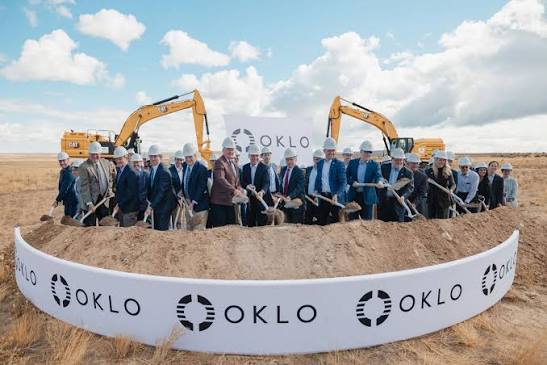
Oklo (NYSE: OKLO) is pushing beyond its identity as a nuclear reactor developer, with a strategy that could transform its fuel-fabrication operations into an independent business line serving outside customers.
Rather than keeping fuel production exclusively in-house, the company is exploring selling fabrication capacity to other reactor operators in the market.
That move, if executed, would create a standalone revenue stream from the fuel segment, decoupling it from Oklo’s own reactor deployment timeline.
The dual-purpose fuel strategy reflects a broader effort to extract maximum commercial value from infrastructure the company is already building for its own fleet.
Analysts and long-term investors have taken note of the integrated model underpinning Oklo’s business, which gives the company direct control over scarce fuel inputs rather than relying on third-party suppliers.
That level of vertical integration is particularly valuable in the nuclear sector, where fuel supply chains are constrained and lead times can stretch for years.
Control over fuel inputs also means Oklo can manage its own deployment schedules without being held hostage to external procurement bottlenecks that have historically slowed reactor buildouts.
On the capital side, the company is channeling its financial reserves into long-lead component orders and site infrastructure, locking in fleet capacity before construction cycles tighten further.
Long-lead supplier contracts are central to that approach, allowing Oklo to secure critical components well ahead of when they are needed on project timelines.
The strategy essentially converts capital reserves into optionality, giving the company a head start on fleet buildout while competitors wait for components to become available.
For investors with a multi-year horizon, the combination of fuel supply control, third-party fabrication revenue, and pre-committed infrastructure spending represents a layered value proposition that goes well beyond a single reactor program.
Whether the fuel-fabrication sales to external operators materialize at scale remains to be seen, but the structural logic of monetizing excess capacity is consistent with how large energy infrastructure companies manage capital-intensive assets.
