
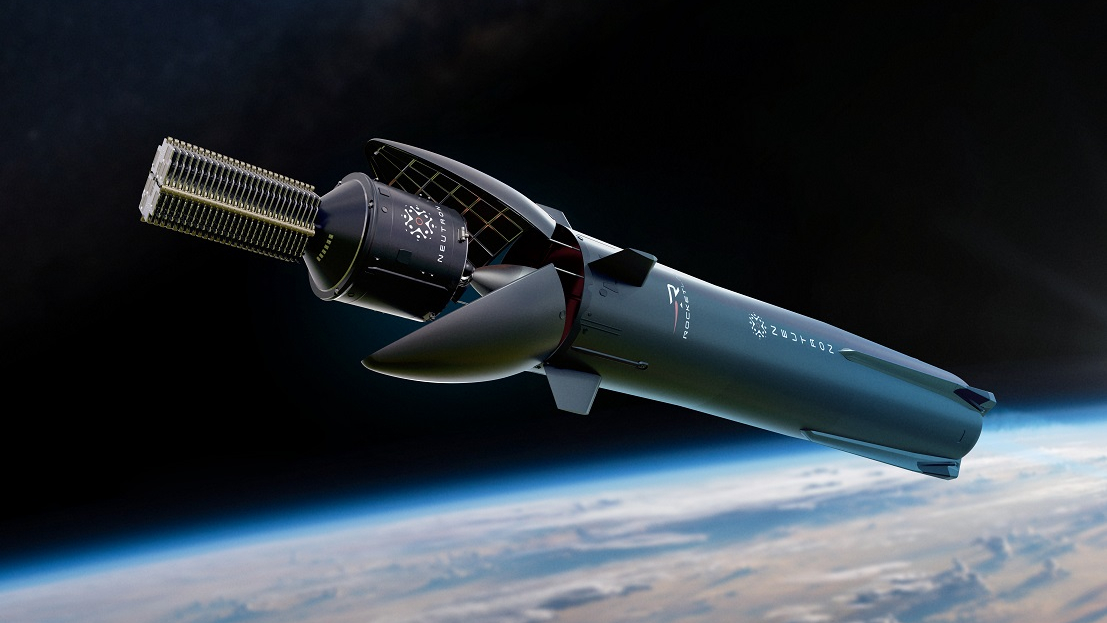
With its November 9 earnings call fast approaching, Rocket Lab (NASDAQ: RKLB) is confronting investor scrutiny over a delayed flagship rocket and a high-stakes acquisition.
The company’s Neutron rocket, previously targeted for an earlier debut, has been pushed into 2027, leaving Electron launches and Space Systems hardware to carry the financial load in the interim.
Rocket Lab did notch a meaningful operational win in October 2026, delivering three HAWK satellites for HawkEye 360 into a 520 km low Earth orbit via a dedicated Electron mission.
That mission reinforces the case that demand for small dedicated launches remains solid, even as the broader investment story depends on heavier bets paying off further down the road.
The pending acquisition of Iridium Communications is the deal most central to Rocket Lab’s long-term revenue thesis, adding an established satellite services business to its existing launch and hardware platform.
While the Iridium deal could meaningfully expand recurring service revenue, analysts note it also introduces integration complexity and additional funding requirements for a company already trading at a premium price-to-sales multiple relative to sector peers.
Rocket Lab is simultaneously developing GHOST, a new system that forms part of its broader ambition to operate an end-to-end space services model spanning launches, satellites, and orbital infrastructure.
The baseline analyst consensus projects revenue of US$2.0 billion and earnings of US$153.5 million by 2029, implying annual top-line growth of 36.8% and an earnings turnaround of roughly US$319 million from today’s loss of US$165.5 million.
More optimistic forecasts are considerably more aggressive, with bullish models projecting US$2.6 billion in revenue and US$244.0 million in earnings by 2029, contingent largely on Neutron winning substantial contracts after its delayed debut.
The principal risk investors are weighing is whether sustained high research and development spending and capital expenditure will outpace contract wins, prolonging losses and keeping share dilution a live concern.
Rocket Lab is also targeting its 100th Electron mission as a near-term milestone, a marker that would underscore the operational maturity of its small launch business even as Neutron absorbs significant cash.
Some valuation analyses suggest the stock carries as much as 122% potential upside to fair value, with at least one estimate placing the figure as high as 217%, though those figures reflect a wide range of assumptions about Neutron’s commercial trajectory.
The November 9 earnings call is expected to be the first venue where management addresses the Neutron timeline in detail, and investors will be watching closely for contract updates and any revision to the 2027 debut schedule.
