
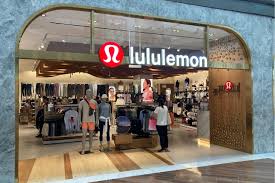
Declining sales and a leadership overhaul have put Lululemon Athletica (NASDAQ: LULU) at the center of one of the apparel sector’s most closely watched turnaround stories heading into next year.
The company reported fiscal second-quarter 2026 net revenue of $2.4 billion, a 4% drop compared with the same period a year earlier, while gross profit slipped 1% to $1.5 billion.
Those figures have rattled investors, and the stock has shed 48% of its value so far in 2026, leaving shareholders searching for reasons to hold on through what has been a punishing year.
In September, the company installed a new chief executive, a seasoned industry figure who previously held senior roles at both Nike (NYSE: NKE) and Levi Strauss.
The appointment signals that the board recognizes the depth of the challenge, but a change at the top rarely produces immediate financial results in a business of this scale.
Analysts see little on the near-term horizon that would meaningfully arrest the revenue slide, suggesting the headwinds plaguing 2026 could carry forward well into 2027.
Part of the structural problem is that Lululemon is no longer the high-octane growth company it once was, and it has yet to build the investor-return mechanisms that typically accompany a more mature business model.
Unlike many established consumer brands that reward patient shareholders with regular dividends, Lululemon currently offers no such payout, giving income-focused investors little incentive to absorb the ongoing volatility.
The question of how the brand reignites growth without the tailwinds it enjoyed during its earlier expansion years remains unanswered, and that uncertainty is likely to weigh on sentiment well beyond the current fiscal year.
For investors wondering whether the stock’s steep discount makes it an opportunistic buy, the near-term fundamental picture argues for caution, with no clear catalyst expected before the calendar turns.
Nike faces some of the same skepticism in this environment, and analysts who have studied both companies closely suggest neither represents a compelling entry point heading into the first quarter of 2027.
Lululemon’s next chapter depends heavily on whether new leadership can redefine the brand’s value proposition for a consumer base that has more athletic apparel options than ever before.
Until there is tangible evidence that the revenue trajectory is reversing, the stock is likely to remain a waiting game rather than a confident buy for most investors.
