
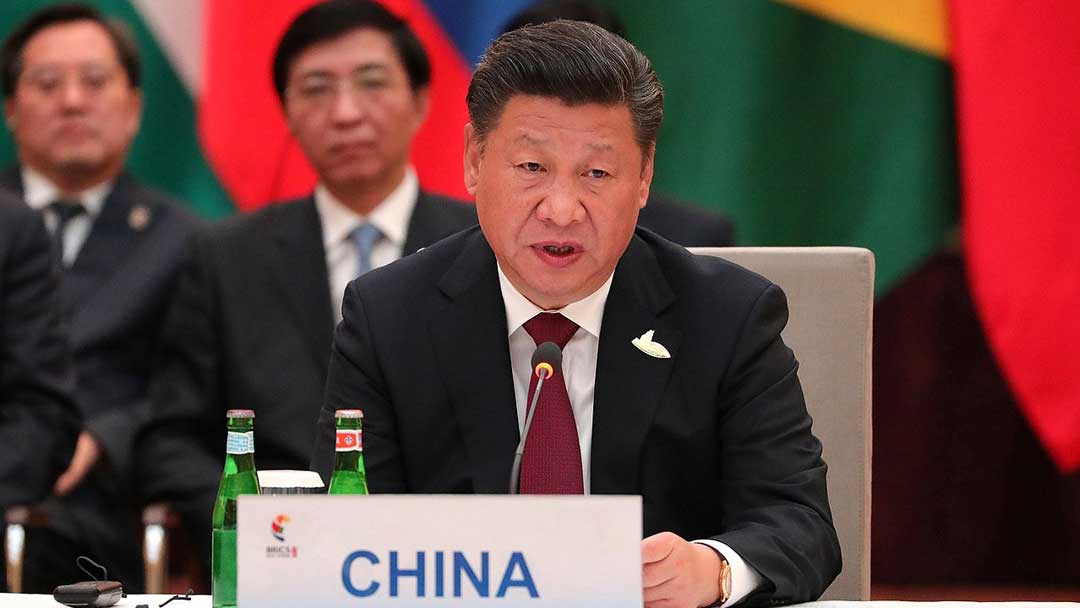
Three high-level meetings between Narendra Modi and Xi Jinping since October 2024 have yet to translate into calm along the Himalayan frontier separating India and China.
Fresh troop confrontations in the northeastern state of Arunachal Pradesh are now testing a fragile diplomatic recovery that both governments spent the past two years carefully constructing.
Experts point to a specific catalyst: China’s push to develop the eastern Himalayan sector, anchored by the 60,000-megawatt Medog hydropower project in Tibet, has drawn a surge of infrastructure, military personnel, and engineering equipment into the contested zone.
Aravind Yelery, a China specialist at Jawaharlal Nehru University, said the project has fundamentally altered Beijing’s strategic calculus in the region, warning that “What is new is China’s intensified focus on the eastern sector.”
He described the Line of Actual Control not as a fixed boundary but as “a deep zone of overlapping claims where patrols inevitably meet,” arguing that face-offs will persist until diplomacy yields concrete ground-level arrangements.
That diplomacy has advanced in form but not yet in substance, with both sides restoring direct flights and easing restrictions on travel and economic exchanges following the leaders’ summits in Kazan, Tianjin, and New Delhi.
India’s Indo-Tibetan Border Police Director General Shatrujeet Kapur sharpened the alarm last month, publicly confirming that confrontations had taken place at multiple points along the Arunachal border and remained ongoing.
His warning extended beyond the immediate incidents, cautioning that “It may be difficult to counter China by conventional means because their PLA and BDR have gone way ahead with investment and modernization.”
Arunachal Pradesh Chief Minister Pema Khandu moved quickly to contain the political fallout, describing the situation along the border as normal and noting that such patrol disputes were far from unprecedented.
Khandu did, however, acknowledge that the boundary remains undemarcated and that Beijing refuses to recognize the McMahon Line, the 1914 British-era boundary separating Arunachal Pradesh from Tibet.
China claims the entire state as part of southern Tibet, a position that has never wavered across decades of negotiations, including 25 rounds of Special Representative talks since 2003 that have produced no boundary settlement.
The de facto border runs for 3,488 kilometers according to India, though Beijing contests even that figure, claiming the line is shorter.
New Delhi’s External Affairs Ministry attributed the latest encounters to Chinese forces deviating from their established patrol routes, while Beijing’s Foreign Ministry flatly rejected any suggestion of wrongdoing, with spokesperson Guo Jiakun insisting troops were conducting normal patrols in strict compliance with bilateral agreements.
Former Indian ambassador to China Ashok Kantha framed the key unanswered question precisely, noting that the significance of the incidents hinges entirely on their depth and character, and that “If the Chinese have now made deeper intrusions on our side of the LAC, or established a presence in new areas, or expanded their existing presence, that would be a serious development.”
Five bilateral border agreements signed between 1993 and 2013 require both sides to observe the LAC and refrain from altering the status quo, commitments Kantha said any deeper intrusion would directly violate.
The Indian government has declined to release details of the locations or circumstances involved, leaving outside analysts unable to determine whether the current situation represents a meaningful shift or a continuation of long-running patrol friction.
Alka Acharya, director of the Institute of Chinese Studies in New Delhi, urged restraint in interpreting the limited available information, stating that “Any opinion on this latest kerfuffle would at best be conjecture without any definitive evidence.”
Opposition Congress party leaders have been less measured, accusing Prime Minister Modi’s government of softening its response to Chinese activity and citing what Congress general secretary Jairam Ramesh called “a deafening silence from the PM and his establishment.”
The shadow of June 2020 remains long: a clash in the Galwan River valley that year killed 20 Indian soldiers and four Chinese troops, and the mistrust it generated continues to weigh on every diplomatic exchange between the two capitals.
Yelery warned that the pledges exchanged at summit meetings face a steep implementation challenge, noting that “A wide gap separates the leaders’ promises from the measures that would prevent a repeat of 2020, namely disengagement and mutual restraint.”
