
Affirm (NASDAQ: AFRM) signed an exclusive, multi-year agreement on October 22 to become Sam’s Club’s pay-over-time provider, even as the stock closed down 1.51% at $72.40 on the announcement.
The deal arrives roughly 19 months after Klarna announced it would replace Affirm as Walmart’s primary installment lending partner, a significant competitive blow at the time.
Walmart owns Sam’s Club, but the financial terms of the new arrangement were not disclosed, leaving the deal’s precise revenue contribution unclear.
Affirm said it will go live on SamsClub.com in the coming weeks, with in-club availability expected in 2027, meaning the September quarter receives no financial benefit from the partnership.
The agreement directly addresses two weaknesses CEO Max Levchin publicly identified at a Goldman Sachs conference on September 8, where he acknowledged the company is “still fairly thin in terms of penetration into top 500 e-commerce retailers.”
Levchin also flagged offline retail at that same conference, noting that physical commerce is “still very nascent” for Affirm, a gap that the Sam’s Club in-store rollout is designed to close.
On October 22, Levchin told Bloomberg that “every time they pick us, I take it as a vote of confidence,” framing the win as a broader validation of Affirm’s competitive position.
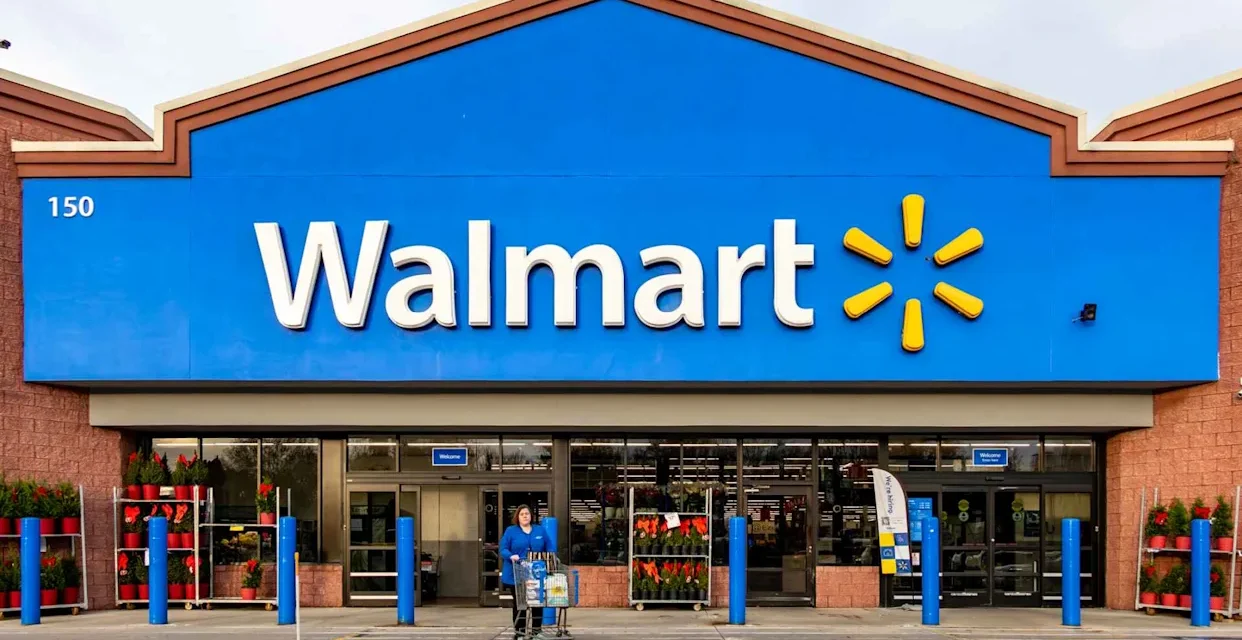
Once Affirm goes live, Walmart will operate with both Affirm and Klarna across its portfolio of businesses, a dynamic that eMarketer noted will allow the retail giant to compare the two rivals directly.
Since late September, Affirm has also announced partnerships with Amazon in the UK, Crate and Barrel, and Ant International’s Antom payment platform, adding further merchant breadth to its network.
Macro pressures have weighed more heavily on the stock than deal flow, with a hotter-than-expected September inflation reading triggering a sharp selloff on October 14 that sent shares down more than 11.5% at one point.
The Bureau of Labor Statistics reported that September consumer prices rose 3.7% year over year, above the 3.6% economists had forecast, pushing traders to reassess Federal Reserve rate expectations significantly.
According to LSEG data cited by Reuters, the probability of the Fed holding rates on October 28 dropped to 53% from 78.4% following the inflation report, with the 10-year Treasury yield briefly touching approximately 5.33%.
Affirm’s business model is particularly sensitive to rate movements, as the company funds loans through warehouse facilities, securitizations, and loan sales, meaning a higher rate path directly raises its cost of capital.
Goldman Sachs reduced its price target on Affirm to $103 from $115 on October 13 while maintaining a Buy rating, following TD Cowen’s earlier cut to $110 from $124 on October 6.
CFO Rob O’Hare sold 65,591 shares at approximately $80 on October 9 after exercising options, a transaction conducted under a pre-established Rule 10b5-1 trading plan and disclosed in a Form 4 filing.
As of October 22, the Wall Street consensus price target sat near $99, roughly 36% above the closing price, supported by 21 Buy ratings, 6 Outperform ratings, and 7 Hold ratings across 34 analysts.
Management guided September-quarter revenue to a range of $1.19 billion to $1.22 billion, with a 29-analyst consensus centering on approximately $1.21 billion for the period.
Consensus EBIT of approximately $154 million sits in the upper half of management’s guided range of $137 million to $165 million, suggesting analysts expect a relatively strong operating performance.
Affirm has beaten revenue estimates in each of its last five quarterly reports, though adjusted earnings per share fell short of expectations in three of those five periods.
TIKR’s mid-case valuation model places Affirm at approximately $149 by June 30, 2031, representing a potential total return of around 105% from the $72.40 close, or approximately 17% annualized over 4.7 years.
Management has guided fiscal 2027 gross merchandise volume above $64 billion, with analyst consensus projecting EBIT margins expanding from roughly 9.8% in fiscal 2026 to around 19% by fiscal 2028.
November 5 earnings will be the decisive near-term test, with revenue at or above the $1.22 billion top of guidance needed to support the bullish case and quiet lingering concerns about funding cost pressures.
