
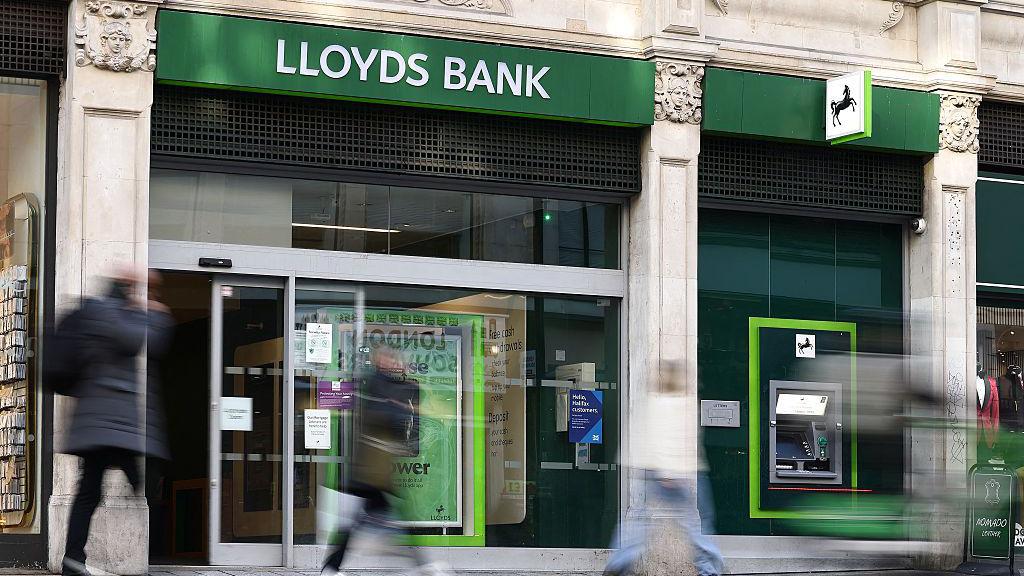
A combined £29 billion in profits from Britain’s four largest FTSE 100 lenders in the first half of the year has made the banking sector a politically convenient target for new taxes.
Chancellor John Healey is reportedly weighing a five-percentage-point increase to the existing bank surcharge, a levy already adding three points above the standard corporation tax rate.
That would push the combined effective rate on bank profits from 28% to 33%, a level analysts estimate could shave roughly 6% off sector earnings while generating around £2 billion for the Treasury.
The calculation, however, may not be as straightforward as it appears, since banks retain the ability to offset higher costs by widening mortgage rates, trimming savings returns, or tightening credit conditions for borrowers.
Because the surcharge targets UK-generated profits specifically, domestically focused lenders face a disproportionately heavy burden compared with more internationally diversified rivals.
NatWest and Lloyds, both of which derive virtually all their earnings from British operations, stand most exposed, while Barclays earns roughly 55% of profits abroad and Asia-focused HSBC generates approximately 85% overseas.
Markets have already begun pricing in the risk, with Lloyds shares sliding more than 12% over the past three months and NatWest declining around 8% across the same period.
On valuation, the two stocks tell different stories: Lloyds trades on a trailing price-to-earnings ratio of 14.5, while NatWest looks considerably cheaper at a trailing P/E of just 9.2.
The income picture also favors NatWest, which carries a trailing dividend yield of 5.1% against approximately 3.6% at Lloyds, a gap that may influence how investors position ahead of and after the Budget announcement.
Sentiment has shifted sharply in recent weeks, as speculation that Healey might leave bank taxes unchanged gave way to growing conviction that a hike was coming, suggesting some of the downside risk is now embedded in current prices.
Budget day on October 28 could still produce sharp moves in either direction, depending on whether the final surcharge increase lands above or below market expectations.
As one analyst put it, “trying to second-guess the Budget is a mug’s game,” leaving many investors inclined to hold positions rather than make reactive calls ahead of the announcement.
Rising government bond yields add another layer of complexity, making lower-risk fixed-income instruments comparatively more attractive against dividend-paying equities at current levels.
The broader economic backdrop compounds the uncertainty, with higher inflation and elevated interest rates carrying the potential to squeeze household and business borrowers, increasing the risk of bad debts accumulating on bank balance sheets.
Any additional surcharge increase would arrive at a delicate moment, and as one market observer noted, “given the state of the nation’s finances, it might not be the last one.”
