
Prominent investor Ray Dalio has warned that the AI bubble could burst relatively soon, citing higher interest rates as one potential catalyst for a market correction.
The warning comes as trillions of dollars continue to pour into artificial intelligence infrastructure, with critics questioning whether sustainable business models are actually emerging from the industry.
Motley Fool contributor Travis Hoium noted that AI bubble speculation is a topic where analysts can discuss it every single day, and eventually one of them will be proven right.
Hoium raised pointed questions about what viable, long-term business models are genuinely materializing from AI investment, suggesting there are very few despite enormous capital deployment across the sector.
Fellow contributor Jon Quast acknowledged Dalio as an incredibly smart person worth listening to, but offered a note of caution about reading too much into the billionaire investor’s warnings specifically.
Quast pointed out that Dalio was talking about bubbles even before AI was a dominant market theme, suggesting the investor would find bubble conditions to warn about regardless of the prevailing market environment.
The debate reflects a broader tension gripping financial markets, where AI valuations continue to stretch while investors grapple with how to position their portfolios responsibly amid the uncertainty.
Alongside the AI bubble discussion, the Motley Fool panel turned its attention to Google’s multibillion-dollar nuclear power deal with Constellation Energy, which underscores the extraordinary energy demands now placed on data centers worldwide.
The nuclear power agreement highlights how the insatiable appetite of AI-driven data centers is forcing technology giants to pursue unconventional and large-scale energy solutions to sustain their operations.
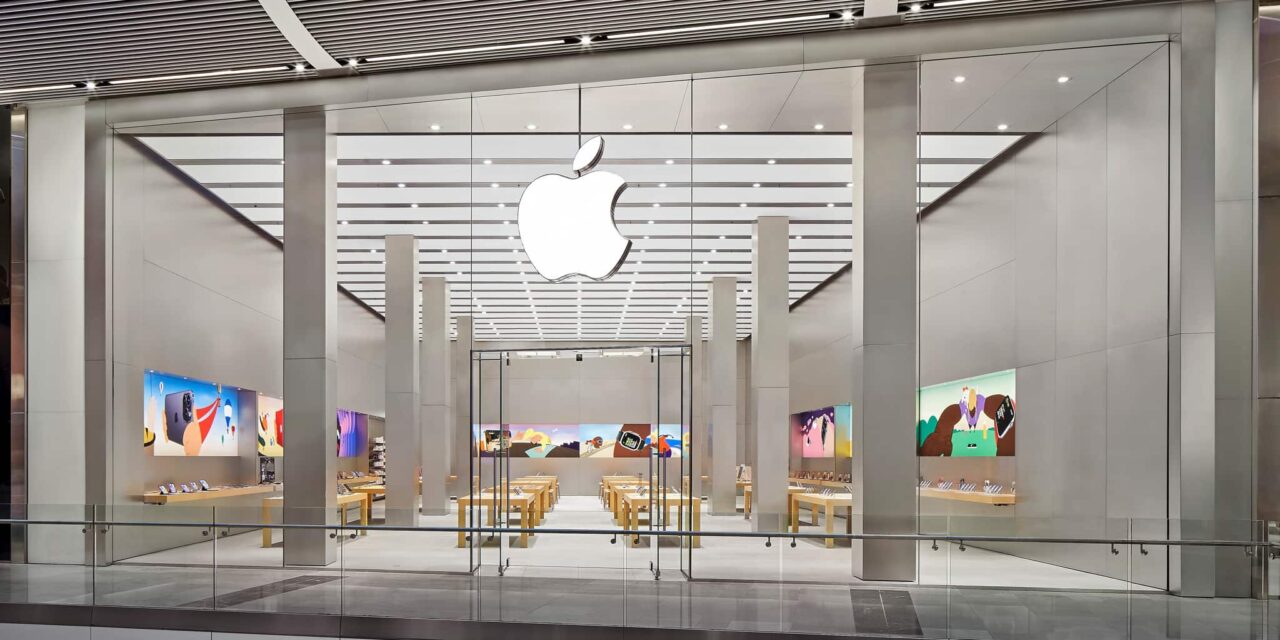
Apple (NASDAQ: AAPL) also drew attention from the panel, with the company making a fresh push into the smart home market through doorbells, cameras, and a new home hub device.
The move represents Apple’s latest attempt to deepen its presence in the connected home space, a market that has long been dominated by rival platforms and third-party hardware manufacturers.
Analysts are watching closely to see whether Apple’s smart home hardware push can meaningfully shift its revenue mix and open up a significant new consumer product category for the tech giant.
The convergence of AI spending concerns, energy infrastructure deals, and Apple’s hardware ambitions reflects a market environment where technological transformation is accelerating faster than investors can fully price in the risks.
