
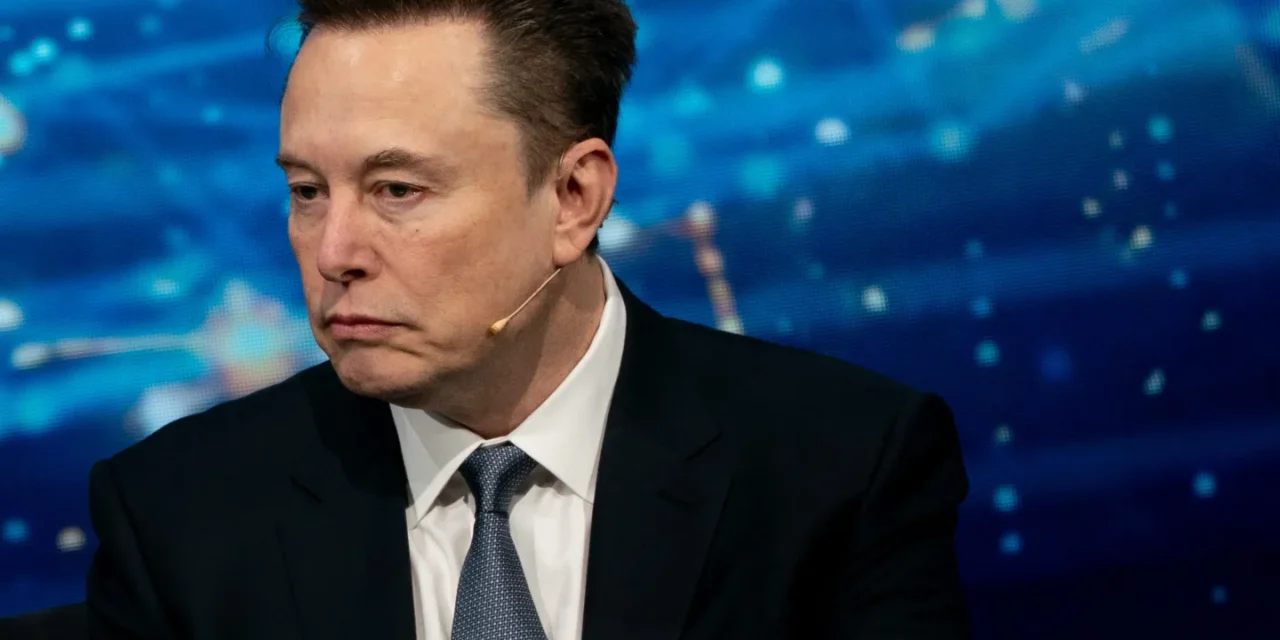
A potential merger between Tesla (NASDAQ: TSLA) and SpaceX is far from the certainty that many investors appear to have priced in, with Elon Musk himself flagging serious structural obstacles.
Speaking on SpaceX’s October 20 earnings call, Musk was asked directly about a merger by Deutsche Bank’s Edison Yu, and opened his response with: “I feel like I’m tap dancing through a mine field.”
Musk confirmed that both companies have established special committees of independent directors, and that he has removed himself from those discussions entirely as a conflicted party.
The core problem, as Musk laid it out, is the voting threshold: “particularly on the Tesla side, we will need a 50% vote of all shares, not just those who vote, but of all shareholders. And that’s quite a high hurdle to try to achieve.”
He also made clear that the committees “have not reached agreement on the terms of any transaction,” and that “there’s no guarantee that they will.”
Wall Street has largely glossed over those warnings, with JPMorgan modeling a SpaceX-led all-stock deal at a typical 30% to 35% premium to Tesla’s current valuation, a structure designed to keep Musk in majority voting control of the combined company.
Based on Tesla’s $373.71 close on Tuesday, that premium range translates to roughly $486 to $505 per share, sitting well above the analyst consensus mean price target of $397.83 and close to Tesla’s 52-week high of $489.88 set on December 16, 2025.
The math behind that premium is complicated by Tesla’s already-stretched valuation, with the stock currently trading at 191.6 times forward earnings against a five-year average multiple of 107.7 times.
A 30% to 35% takeout premium would push that acquisition multiple to approximately 250 times forward earnings, above Tesla’s own five-year peak of 243.1 times reached in December 2025.
The voting mechanics make the deal structurally difficult regardless of price, since every Tesla share that does not cast a ballot effectively counts as a vote against the merger.
Turnout at Tesla’s 2025 annual meeting reached approximately 74%, one of its strongest participation rates, yet even at that level a merger would require roughly 68% of votes cast to surpass the 50% of all shares threshold.
Tesla’s own history illustrates how difficult that bar is to clear, as its 2025 proposal to eliminate supermajority voting rules won approximately 54% of shares voted but represented only 39.4% of all outstanding shares.
Broadridge data cited by Tesla in a filing with the SEC showed that retail investors voted only 28% of their shares during the 2025 proxy season, compared with 76.6% for institutional holders, a gap that matters enormously given Tesla’s unusually large retail shareholder base.
Tesla does have a newly approved tool that could shift that dynamic, after the SEC cleared a plan in late September allowing retail holders to enroll once and have their shares automatically voted in line with board recommendations.
However, the program is brand new with no public enrollment figures available, and one of its two settings excludes merger votes from the automatic ballot, limiting its potential impact on exactly this type of transaction.
Even if the committees reach agreement on terms, the deal would be paid in SpaceX stock, meaning its ultimate value for Tesla shareholders depends entirely on where SpaceX trades at the time of closing.
Tesla is scheduled to report third-quarter results after market close on Wednesday, October 21, with analysts expecting normalized earnings per share of $0.45, down from $0.50 in the same period a year earlier.
Any update from management on the status of the special committees or early enrollment data from the auto-vote program could rapidly shift market expectations around the probability of a deal closing.
JPMorgan’s premium math may put Tesla near $500, but two sequential conditions must first be satisfied: the independent committees must agree on terms, and holders of more than half of all outstanding Tesla shares must vote yes.
