
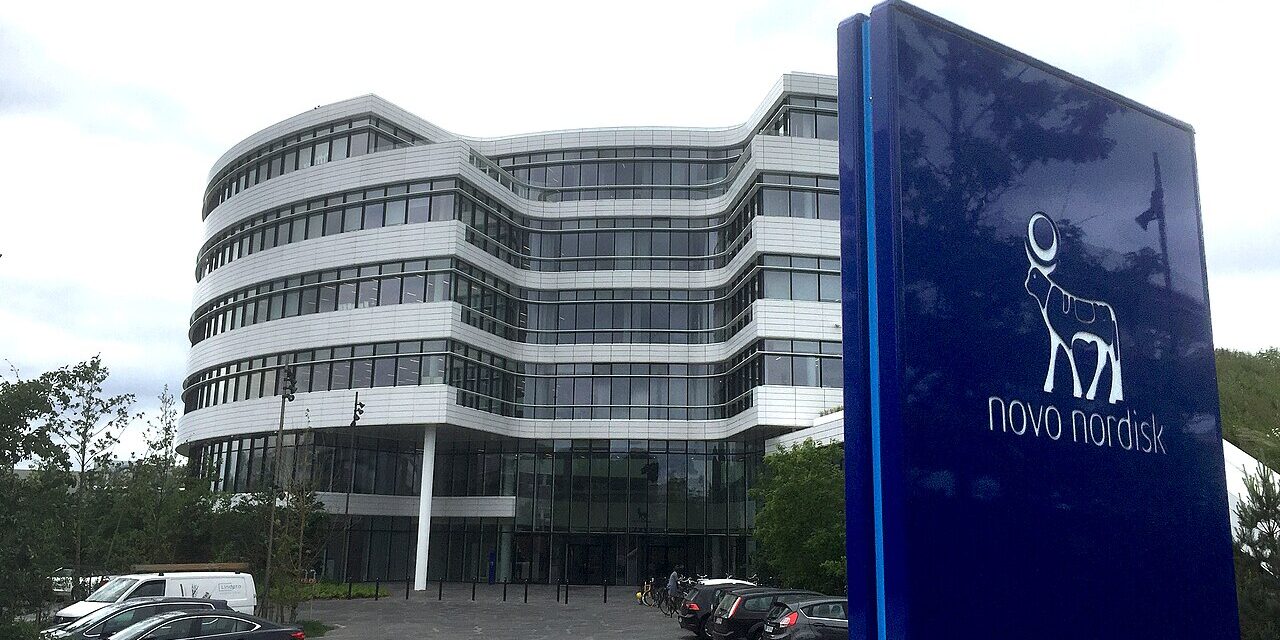
Novo Nordisk (NYSE: NVO) has deepened its reliance on artificial intelligence in drug discovery by integrating OpenAI’s Rosalind AI model into its core research and development operations.
OpenAI has acquired Orchestra Bio specifically to strengthen Rosalind’s life sciences capabilities, a move that directly benefits pharmaceutical groups like Novo Nordisk that already use the platform.
The Orchestra Bio acquisition targets key areas of pharmaceutical R&D, including target identification, molecule design, and trial analytics tied to Novo Nordisk’s active pipeline.
Novo Nordisk carries a DKK1.2 trillion market cap, reflecting the scale at which any improvement to its discovery infrastructure could ripple through early-stage pipeline efficiency.
The Rosalind integration positions AI as an operational tool rather than a headline feature, linking machine learning infrastructure to how efficiently the company runs pre-commercial research.
The deal reinforces Novo Nordisk’s broader effort to industrialize discovery work around obesity and cardiometabolic treatments, moving beyond its existing GLP-1 blockbuster portfolio.
Programs such as CagriSema and REIMAGINE stand to benefit from AI-driven workflows in target selection, molecule design, and clinical trial operations under the expanded Rosalind ecosystem.
The unresolved question for investors is how much practical lift Rosalind and Orchestra Bio’s tools will deliver compared to competing AI platforms currently used by rival pharmaceutical companies.
Upcoming R&D disclosures, including CagriSema trial updates and REDEFINE and REIMAGINE study readouts, will serve as key proof points for how AI is affecting Novo Nordisk’s development cycle times.
Management commentary that explicitly links AI-driven workflows to R&D efficiency metrics or decision-making in new obesity and diabetes programs will be particularly important to monitor in future updates.
The move signals a broader pharmaceutical industry shift toward embedding AI infrastructure directly into discovery pipelines, with Novo Nordisk among the larger companies to formalize that commitment.
Analyst projections for Novo Nordisk extend several years into the future, suggesting the full impact of AI-enhanced R&D efficiency on the company’s pipeline output may not be visible in near-term results.
