
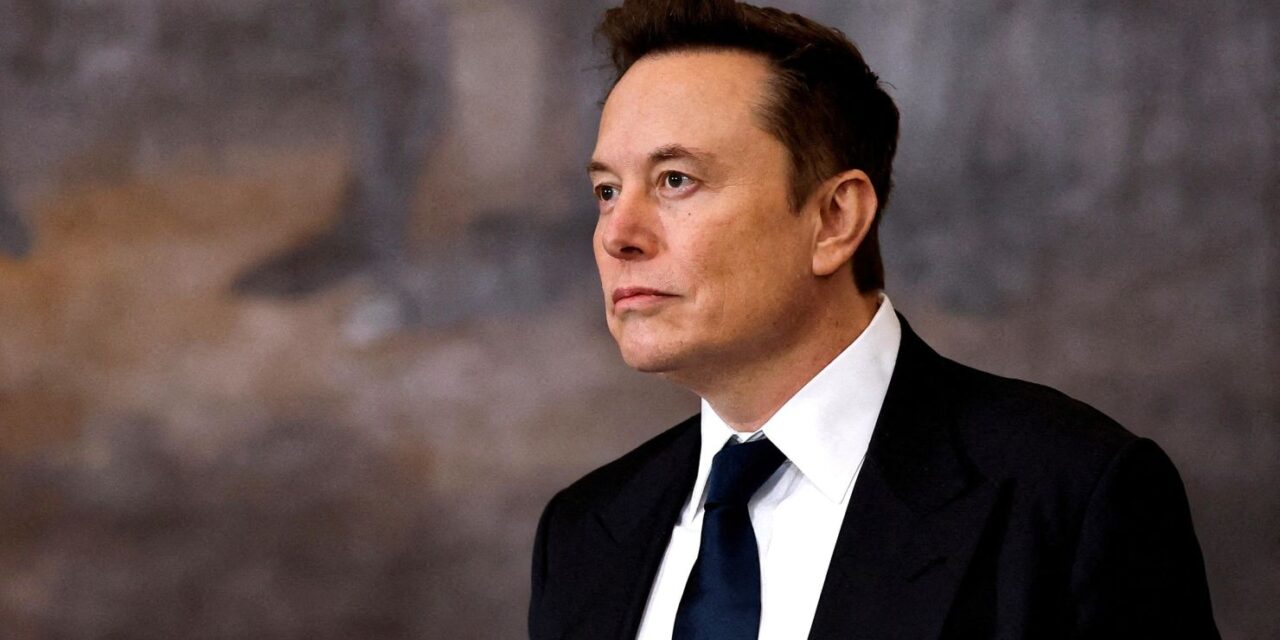
Elon Musk has invested $1 billion in Skydance (NASDAQ: SKYD), a move that has raised questions among market observers about the timing and strategic rationale behind the deal.
The investment comes after Skydance already completed its acquisition of Paramount, with the majority of that original financing drawn from Larry Ellison, Red Bird Capital, and sovereign wealth funds from the Middle East.
Skydance carries roughly $80 billion in debt, meaning Musk’s $1 billion contribution does little to materially address the company’s balance sheet pressure, according to analysts discussing the deal on Yahoo Finance’s Market Hang.
Pras Subramanian, Yahoo Finance’s Senior Autos Reporter, suggested the investment may reflect Musk’s longstanding personal and professional relationship with Ellison, who was previously a Tesla shareholder and board member.
Subramanian also floated the possibility that the deal could be tied to content distribution, noting potential synergies with X.com, Starlink subscribers, or the mobile network Starlink is preparing to launch.
Ellison had previously invested in Musk’s acquisition of X, formerly Twitter, making this latest transaction consistent with a pattern of financial reciprocity between the two billionaires.
Cable industry veteran John Malone had previously speculated that Musk would find some entry point into the media space, whether through debt acquisition or another financial mechanism tied to the Skydance deal.
Turney Duff, author of “The Buy Side,” observed that Musk’s sprawling portfolio spans electric vehicles, space, social media, robotics, and artificial intelligence, but notably lacks a dedicated entertainment or content arm.
Paisley Nardini, head of investment strategy at Tema ETFs, expressed skepticism about the broader content and streaming sector, describing it as increasingly commoditized and noting that consumers face analysis paralysis when navigating an overloaded media landscape.
Nardini also raised the prospect of a potential Tesla and SpaceX merger, suggesting any such deal would need to move forward within roughly the next year and a half, before the political window created by the current administration potentially closes ahead of 2028.
The Musk investment in Skydance arrives as broader markets are navigating a notable rotation out of AI and technology stocks into more defensive sectors, with Tema ETFs’ Nardini noting that consumer staples have gained roughly 11 percent over the past 16 trading days.
Treasury markets also drew significant attention, with yields on the 10-year falling below 5 percent for the first time in a month, delivering the largest single-day rally in Treasuries since the collapse of Silicon Valley Bank in 2023, according to Wall Street Skinny co-founder Jen Sarbach.
Nardini argued that elevated yield levels are prompting asset allocators to reassess the relative attractiveness of bonds versus equities, particularly after five years of historically strong equity market returns.
The panel also discussed Apple (NASDAQ: AAPL), noting that Apple’s market cap surpassed Nvidia’s during the session, reflecting investor preference for the company’s capital-disciplined approach at a time when hyperscalers are absorbing heavy AI infrastructure costs.
Duff characterized Apple’s strategic position as owning the racetrack rather than running a horse, arguing that with 1.5 billion devices in circulation, Apple benefits regardless of which AI platform ultimately prevails.
