
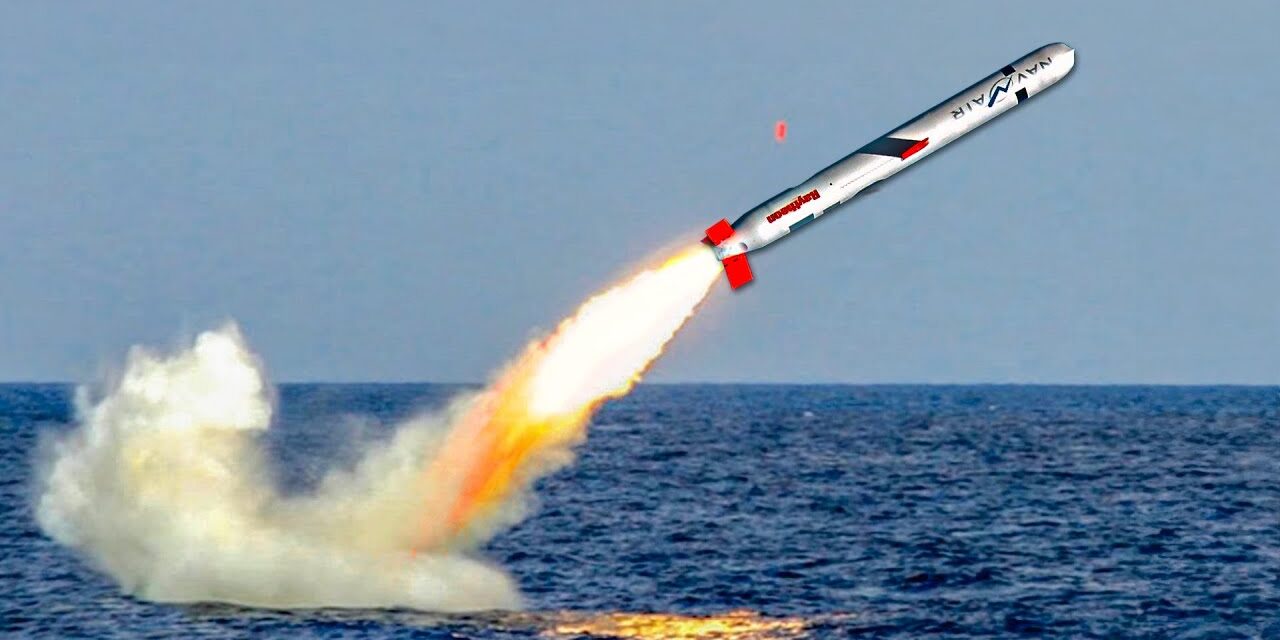
RTX Corporation (NYSE: RTX), through its Raytheon unit, has secured two major defense contracts worth a combined $8.7 billion, significantly strengthening the company’s long-term revenue pipeline.
The larger of the two awards is an $8 billion contract focused on nuclear command-and-control systems, representing a major vote of confidence in Raytheon’s advanced defense capabilities.
Nuclear command-and-control infrastructure is among the most strategically sensitive areas of national defense, and contracts in this space typically span many years with stable, recurring revenue streams.
The second contract, valued at $729 million, covers a counter-drone export deal, reflecting surging global demand for systems capable of neutralizing unmanned aerial threats.
Counter-drone technology has become one of the fastest-growing segments of the global defense market, driven by the proliferation of low-cost drones on modern battlefields worldwide.
Together, the two contracts underscore Raytheon’s position as a go-to supplier for both domestic nuclear security infrastructure and allied nations seeking cutting-edge air defense solutions.
The deals arrive at a notable moment for RTX stock, which has been trading below its recent highs, potentially offering investors an entry point ahead of what could be a period of sustained revenue growth.
Long-term contract wins of this scale typically provide defense contractors with multi-year revenue visibility, reducing uncertainty and supporting more predictable earnings forecasts for analysts and shareholders alike.
RTX as a whole has been navigating a complex operational environment, balancing strong defense demand against supply chain pressures and ongoing production ramp-up challenges across its various business units.
The Raytheon division’s latest contract haul reinforces the view that RTX’s defense portfolio remains highly competitive, with governments continuing to prioritize spending on advanced deterrence and force-protection technologies.
With global defense budgets expanding across NATO member states and allied nations in the Indo-Pacific, companies like RTX are well positioned to capture a growing share of international procurement programs.
The $729 million counter-drone export agreement in particular signals that foreign governments are accelerating investment in layered air defense, an area where Raytheon has established deep technical expertise and a proven track record.
Investors and defense industry analysts will be watching closely to see whether these contract awards translate into upward revisions to RTX’s financial guidance in forthcoming earnings communications.
