
A government-funded study has found that the GLP-1 drug semaglutide extended lifespan in older, healthy mice by tempering the detrimental effects of aging.
The research, conducted at the University of California and funded by the National Institutes of Health (NIH), could have significant implications for the already rapidly expanding GLP-1 drug market.
Researchers have long known that calorie restriction carries anti-aging benefits, and GLP-1 drugs are specifically designed to suppress appetite and reduce caloric intake.
However, the new study suggests the drugs’ effects may go well beyond simply mimicking the benefits of a lower-calorie diet, pointing to something more fundamental.
According to the NIH press release, “Compared with a control group, mice treated with the drug showed improved muscle and cognitive function.”
The NIH further noted that “gene expression analysis showed that several hallmarks of natural aging, such as increased inflammation and reduced regenerative capacity, were reduced in treated animals.”
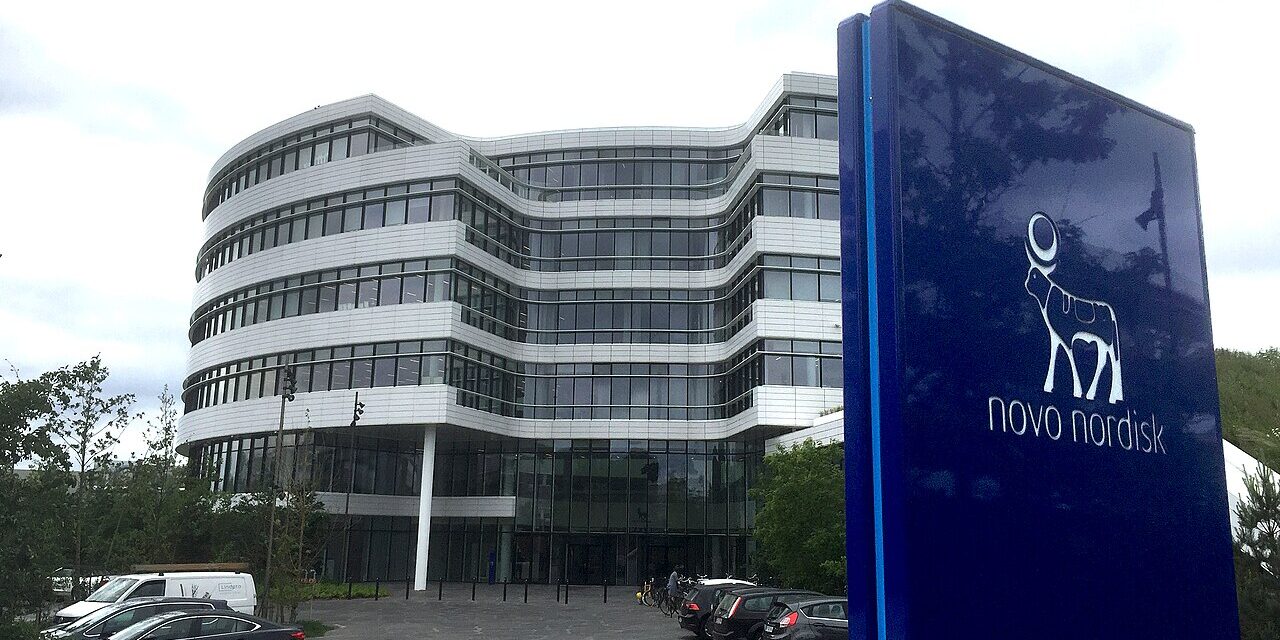
The study used semaglutide, manufactured by Danish drugmaker Novo Nordisk (NYSE: NVO) and marketed as Ozempic for type 2 diabetes and Wegovy for obesity and chronic weight management.
Eli Lilly (NYSE: LLY), whose primary GLP-1 drug tirzepatide is marketed as Mounjaro for diabetes and Zepbound for weight loss, could also benefit if similar anti-aging effects are found to apply to its treatment.
Tirzepatide became the world’s best-selling drug late last year, overtaking Merck’s cancer drug Keytruda from the top position in a significant milestone for Lilly.
The research remains a long way from establishing equivalent anti-aging results in humans, but growing public belief in the possibility is likely to further accelerate adoption of these drugs.
The GLP-1 market was already on a steep growth trajectory before this latest development, with demand surging across the United States and internationally.
According to polling firm Gallup, the percentage of U.S. adults taking GLP-1 injectables for weight loss has nearly quadrupled since 2024, rising from 3% to 11% this year alone.
Gallup also found that 15% of U.S. adults report having used the medicine at some point, reflecting how rapidly these treatments have entered mainstream healthcare.
The drugs have demonstrated powerful effectiveness against obesity, with the adult obesity rate in the U.S. falling from 39.9% in 2022 to 36.8% in 2026.
J.P. Morgan Global Research forecasts that approximately 25 million Americans will be on GLP-1 treatment by 2030, up from roughly 10 million last year.
Morgan Stanley projects the global market for GLP-1 drugs will more than double between 2025 and 2035, reaching $190 billion, underscoring the extraordinary commercial opportunity ahead.
While Lilly currently appears to hold the lead in the GLP-1 race, Novo Nordisk continues developing new products, and the sheer scale of the projected market leaves substantial room for multiple competitors to thrive.
