
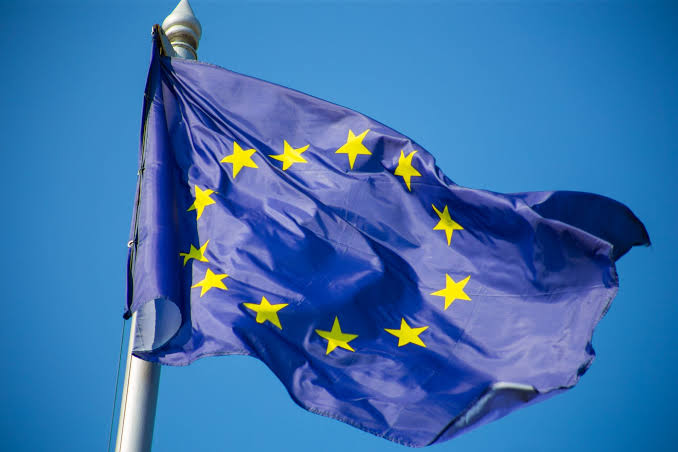
European Union leaders convened in Brussels on Thursday for a two-day summit addressing some of the most pressing economic and geopolitical challenges currently facing the bloc.
The meeting places a sharp spotlight on the EU’s widening trade deficit with China, which reached €360 billion ($400.4 billion) last year and is projected to grow even larger.
The European Commission reached an agreement with Beijing less than a week before the summit to curb imports of hybrid cars from China, signaling growing tensions over trade imbalances.
The EU has accused China of unfair economic practices, arguing that state subsidies for Chinese industries are creating an uneven competitive landscape for European businesses.
Industry groups have warned that the surge in Chinese imports is accelerating factory closures across the bloc, raising alarm among manufacturers and policymakers alike.
Ahead of the summit, German Chancellor Friedrich Merz and French President Emmanuel Macron jointly called for new EU measures to counter actions leading to market distortion.
Leaders are also expected to examine soaring energy prices within the bloc, which represent another significant drag on European competitiveness alongside the China trade challenge.
The summit’s agenda also includes early discussions on the EU’s next seven-year budget covering 2028 to 2034, a perennially divisive topic requiring unanimous approval from all member states.
Merz, who has been leading calls for a leaner budget, said on arrival in Brussels: “We are in very, very difficult negotiations regarding the future finances of the European Union.”
He added: “We must significantly reduce the common budget compared with the commission’s proposals. No member state of the European Union can afford this.”
Swedish Prime Minister Ulf Kristersson echoed those concerns, stating that the proposals currently on the table were “simply not acceptable,” reflecting a broader push among net contributor nations for fiscal restraint.
Italy’s Prime Minister Giorgia Meloni has taken the opposing stance, defending traditional funding mechanisms such as cohesion payments, telling her parliament on Wednesday that she saw “no contradiction between old policies and new priorities.”
No breakthrough on the budget is expected at this summit, with a special meeting scheduled for November aimed at reaching a formal agreement before the end of the year.
Pressure to finalize a deal is intensifying ahead of elections next year in several member states, which could make consensus even harder to achieve.
On Friday, EU leaders are set to shift focus to Ukraine, with President Volodymyr Zelenskyy invited to attend the session in person.
Zelenskyy wrote after arriving: “All of us in Europe want this war to end. And for that to happen, strong signals are needed — more real pressure on Russia and more defense support for Ukraine.”
Russia has been intensifying its strikes ahead of winter, killing dozens of civilians, and Zelenskyy is expected to press EU leaders for increased military and financial assistance to Kyiv.
European support for Ukraine has taken on greater urgency as the United States under President Donald Trump continues an ambivalent approach to the conflict, underscored by a recent deal securing Russian diesel imports despite international sanctions.
Trump has also publicly called for Zelenskyy to be replaced as Ukrainian leader, further complicating the transatlantic response to the war and increasing pressure on European nations to step up.
The Brussels summit reflects the scale of challenges now confronting the EU simultaneously, from trade rivalry with China and internal budget battles to sustaining a war-torn ally on its eastern border.
