
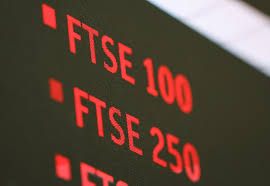
The FTSE 100 (INDEXFTSE: UKX) recorded its steepest weekly loss since April, falling 2.2 percent over the course of the week amid turbulent bond and currency markets.
The blue-chip index closed 0.32 percent higher on Friday at 10,461.95 points, but the weekly decline overshadowed the modest daily recovery.
The midcap FTSE 250 also ended the week in negative territory, closing at 24,194.24 points as broader market sentiment remained fragile.
A sharp sell-off in government bonds pushed yields sharply higher throughout the week, undermining investor confidence and dragging heavily on risk assets.
Gilt yields pulled back on Friday, with the benchmark 10-year gilt yield falling 4.09 basis points to 5.3624 percent after climbing to its highest level since 2007 in the prior session.
Weaker-than-expected US jobs data on Friday reduced the likelihood of a near-term interest rate hike by the Federal Reserve, offering some relief to rattled investors.
Oil prices fell 2 percent on Friday after a sharp rise the previous day, following reports of talks in Europe on additional diesel and crude stock releases, which eased concerns over tight global energy supplies.
Rate-sensitive homebuilders edged marginally higher after a steep 5 percent drop the previous session, aided by the retreat in gilt yields, though UK bank stocks continued to face pressure.
Online trading platform IG Group tumbled 22.6 percent after cutting its 2026 revenue growth forecast, citing weak market conditions, with peers Plus500 and CMC Markets declining 5.1 percent and 4 percent respectively.
Miner Glencore rose 3 percent after forecasting its 2026 marketing profit would surpass USD 5 billion, exceeding long-term guidance following a near-record first half performance.
Pub chain J D Wetherspoon climbed 12.5 percent after reporting stronger sales growth since July, boosted by sunny weather, even as the company warned of rising costs and potential closures ahead.
The index of UK lenders posted its biggest weekly drop since April, underscoring how deeply the bond market volatility has shaken confidence in the British financial sector.
