
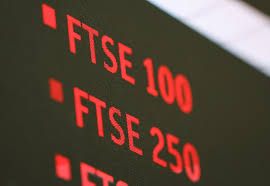
London’s FTSE 100 (INDEXFTSE: UKX) gained ground on Wednesday as investors digested stronger-than-expected economic growth figures from the United Kingdom.
The blue-chip index rose 0.26% to 10,664.93 points by 1018 GMT, putting it on track for its biggest monthly loss since March.
Despite the monthly weakness, the FTSE 100 remained on course for its seventh consecutive quarterly gain, reflecting underlying resilience in British equities over a longer time horizon.
The midcap FTSE 250 climbed 0.74% on the day but was also set to finish the month lower, underscoring the broad pressure weighing on UK markets heading into the final session of September.
Britain’s economy grew more quickly than previously thought in the second quarter, with the Office for National Statistics confirming output expanded by 0.5% in the April-to-June period.
The data pointed to unexpected resilience in the face of geopolitical upheaval and a global bond market crisis, providing a modest boost to investor confidence on the final trading day of the month.
Cyclical stocks led the advance, with banks providing the biggest single contribution to index gains as the stronger GDP reading lifted expectations for domestic demand.
Utilities surged 2.7% after UK Prime Minister Andy Burnham made policy announcements for the sector the previous day, with National Grid and SSE each adding around 3%, while United Utilities and Severn Trent climbed approximately 2.3% each.
Mining companies were also among the strongest performers, with Rio Tinto gaining 2.1%, Antofagasta rising 2.7%, Fresnillo increasing 1.4%, Anglo American advancing 1.8%, and Glencore gaining 1.0%.
InterContinental Hotels Group rose 2.3%, adding further support to the index’s modest advance amid broader monthly headwinds.
Energy stocks fell around 1%, limiting overall gains and reflecting continued pressure from volatile crude markets, with Brent futures declining 0.88% to $95.31 a barrel and US West Texas Intermediate dropping 0.69% to $88.75.
Persistent inflation concerns and rising bond yields continued to weigh on sentiment, with Bank of England policymaker Alan Taylor noting it was unclear whether a single rate hike could tame inflation without prompting unwarranted speculation about further increases.
Traders were pricing at least one 25-basis-point rate hike this year, keeping markets on edge even as the GDP data offered a degree of reassurance about the health of the British economy.
Geopolitical developments also remained in focus, with US President Donald Trump stating that the war with Iran would end “very soon,” though no further details were provided to markets.
