
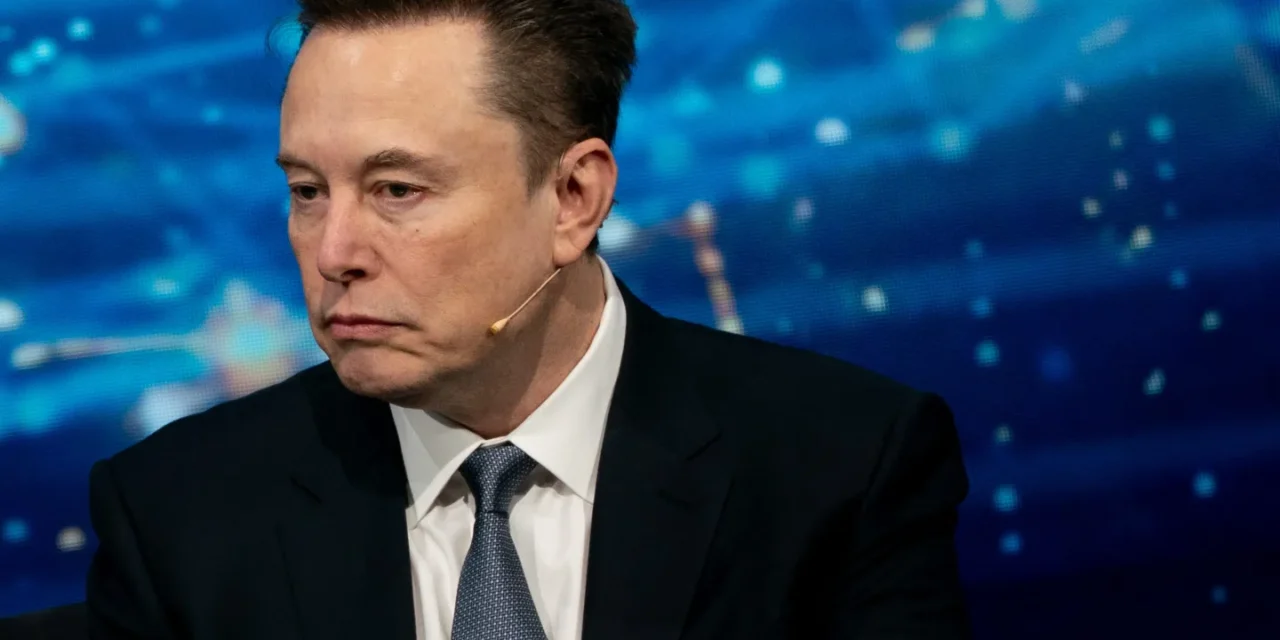
Shares of Tesla, Inc. (NASDAQ: TSLA) closed Monday at $357.45, marking the stock’s worst single-session performance in nearly a month and extending a three-session losing streak.
September has been a difficult month for Tesla investors, with the stock now down roughly 3% over the period, underperforming most of its “Magnificent Seven” peers.
Tesla has been the worst performer in that group so far in 2026, down approximately 21% year-to-date, a stretch that has frustrated both institutional and retail holders.
Cantor Fitzgerald reiterated its “Overweight” rating and $485 price target on the stock, implying roughly 36% upside from current levels based on Monday’s close.
However, Cantor’s delivery expectations came in below the broader market consensus, with the firm forecasting 421,758 vehicle deliveries for the third quarter against a Visible Alpha consensus of 448,679.
Cantor also projected approximately 15 gigawatt-hours of energy storage deployments, below the 17.1 gigawatt-hour consensus, and said it expects Tesla to issue an early production and delivery update ahead of its Friday report.
JPMorgan took a more cautious stance, cutting its Tesla price target to $415 from $445 while maintaining a “Neutral” rating, citing weaker-than-expected delivery results in China and the United States.
The bank lowered its third-quarter vehicle delivery forecast to 482,000 from 516,000 and trimmed gross margin assumptions to account for raw material inflation, incentives, and interest rates.
Away from the delivery debate, chip industry research firm SemiAnalysis provided an update on Terafab, Elon Musk’s proposed semiconductor facility intended to supply AI chips across his various companies.
SemiAnalysis said on X that the program launched in March, equipment orders were placed by April, and concrete is currently being poured at the site.
The firm projects equipment move-in around mid-2028 and volume production around mid-2030, and expects the first phase of the Grimes facility to be built as fast as, or faster than, the first phase of TSMC’s Arizona Fab 21.
SemiAnalysis named ASML, KLA, Applied Materials, and Lam Research among the likely major equipment beneficiaries of the Terafab buildout.
On Tesla’s July earnings call, Musk said Terafab was necessary to scale Optimus production because the company otherwise would not have enough AI chips to support that effort.
Tesla also shifted its product calendar on Monday, moving an outdoor Roadster demonstration from October 1 to October 15, citing severe weather forecasts for central Texas.
The postponement extends the wait for a car first unveiled in 2017, adding another delay to one of Tesla’s most anticipated but long-deferred vehicle programs.
On the commercial side, Tesla’s Semi truck program reached a new delivery milestone last week, with the company handing trucks to an initial group of customers from its new production effort.
Tesla reiterated its plan for 50,000 Semis per year at its Nevada plant but did not provide current production volumes or pricing details alongside the announcement.
Cantor noted that the Semi would still represent a small portion of Tesla’s overall fleet by year-end, with a high-volume robotaxi and Cybercab ramp taking priority over autonomous trucking.
Retail sentiment on Stocktwits dipped further into “neutral” territory, sliding to 47 out of 50 from the prior day, alongside a 12% rise in 24-hour message volumes on the platform.
One Stocktwits user wrote, “$TSLA Musky better pump the media blitz for the upcoming event that is now pushed back, he needs to quiet his skeptics,” reflecting the mood among more skeptical traders heading into the quarterly report.
