
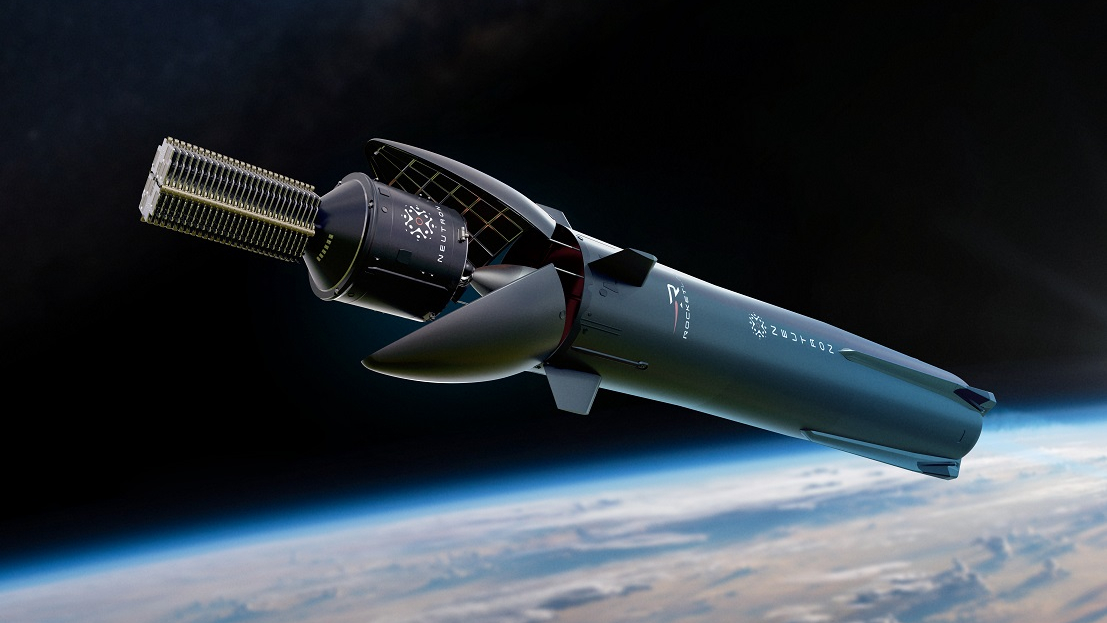
Rocket Lab USA (NASDAQ: RKLB) has a credible path back to triple-digit territory within the next two years, according to a recent analysis by Motley Fool contributor Daniel Sparks.
Rocket Lab stock closed above $100 as recently as early July, meaning a return to that level would represent a rebound rather than uncharted ground for investors.
The stock currently trades around $74, meaning the projected move to $100 would represent a gain of approximately 35%, or roughly 14% annually over just over two years.
The company’s backlog reached a record $2.36 billion at midyear, up 137% year over year, signaling that a substantial portion of future revenue is already under contract.
Rocket Lab began August with around 598 million common shares outstanding, with a September share sale adding another 29.3 million shares to that count.
An additional 41 million or so preferred shares can convert to common stock, further influencing the total share count and any valuation calculation.
Iridium shareholders are also set to receive a portion of their acquisition payment in Rocket Lab stock when the deal closes, which the two companies expect to occur in mid-2027.
Taken together, these factors bring the total share count to approximately 700 million, placing Rocket Lab’s market value near $70 billion at the $100 price level, compared to roughly $49 billion today.
The market previously valued Rocket Lab at $151 per share as recently as late May, demonstrating that investors have already shown willingness to price in aggressive long-term growth expectations.
However, Sparks identifies several conditions that still need to go right, noting that the company’s larger reusable rocket, Neutron, has not yet flown, the Iridium deal has not yet closed, and the company continues to post losses.
Despite his bullish long-term outlook, Sparks stopped short of issuing a buy recommendation, stating that today’s price around $74 already prices in years of successful execution.
The analysis underscores a broader tension in high-growth space stocks, where strong order backlogs and ambitious development timelines must be weighed carefully against ongoing cash burn and execution risk.
