
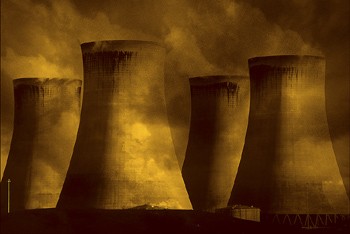
Nuclear energy is drawing renewed investor attention as oil markets remain unsettled by constrained traffic through the Strait of Hormuz, keeping energy security at the top of government and utility agendas.
The disruption to global energy flows has reinforced long-standing concerns about grid reliability, pushing nuclear power into more conversations about long-term electricity supply planning.
For investors tracking the theme, three stocks from a specialist nuclear energy screener stand out as particularly compelling plays on the sector’s expanding role.
NuScale Power (NYSE: SMR), with a market cap of approximately $3.8 billion, is working to move small modular reactor technology from concept to real grid power delivery.
The company develops its 77 MWe NuScale Power Module and provides plant design, licensing, and lifecycle services to nuclear power operators, reporting around $11 million in revenue from electric utility customers in the United States.
A key indicator of future revenue potential is its involvement in Romania, where the company is participating in a Fluor-led Front-End Engineering and Design Phase 2 for a six-module small modular reactor power plant. “NuScale’s involvement in the RoPower 6-module small modular reactor (SMR) power plant in Romania indicates future meaningful revenue and cash flow through its partnership in the Fluor-led Front-End Engineering and Design (FEED) Phase 2.”
The central question for NuScale Power investors is whether a critical commercial turning point arrives early enough to meaningfully shift market expectations around the company’s path to profitability.
Constellation Energy (NASDAQ: CEG), valued at approximately $93.3 billion, represents the more established end of the nuclear investment spectrum, with commercial reactors supplying round-the-clock, low-carbon power across major U.S. grid regions including the Midwest, Mid-Atlantic, New York, and ERCOT markets.
The company reports $31.3 billion in generation revenue and has been securing substantial long-term contracts with large power consumers. “Growing demand for carbon free, reliable power from large scale customers such as data centers and large corporates is now translating into roughly 920 MW of long duration nuclear power contracts with investment grade buyers on an average 18.5 year term.”
Those long-term agreements, and specifically how they are priced over time, could prove to be the most consequential factor in shaping Constellation Energy’s earnings quality and risk profile going forward.
Oklo (NYSE: OKLO), carrying a market cap of around $7.5 billion, is pursuing a differentiated approach by pairing compact Aurora Powerhouse fission reactors with fuel recycling technology to deliver steady, low-carbon electricity directly to large buyers.
The company recently cleared a significant regulatory milestone that could meaningfully de-risk its development timeline. “Just had a major regulatory hurdle overcome, NRC (Nuclear Regulatory Commission) just approved Oklo’s Principal Design Criteria for Aurora. Reactors still are not fully licensed or approved, but this has a significant positive impact on uncertainty.”
The path forward for Oklo investors hinges on how licensing progress, fuel strategy, and contract structure combine to shape the economics of its long-duration power deals once reactors actually come online.
Across all three companies, the broader nuclear energy investment case is being reinforced by mounting demand from data centers and large corporate power buyers seeking reliable, carbon-free electricity at scale.
The three stocks represent only a portion of the opportunity set, with the specialist nuclear energy screener surfacing more than 300 additional companies with similarly compelling narratives tied to the sector’s expanding relevance.
