
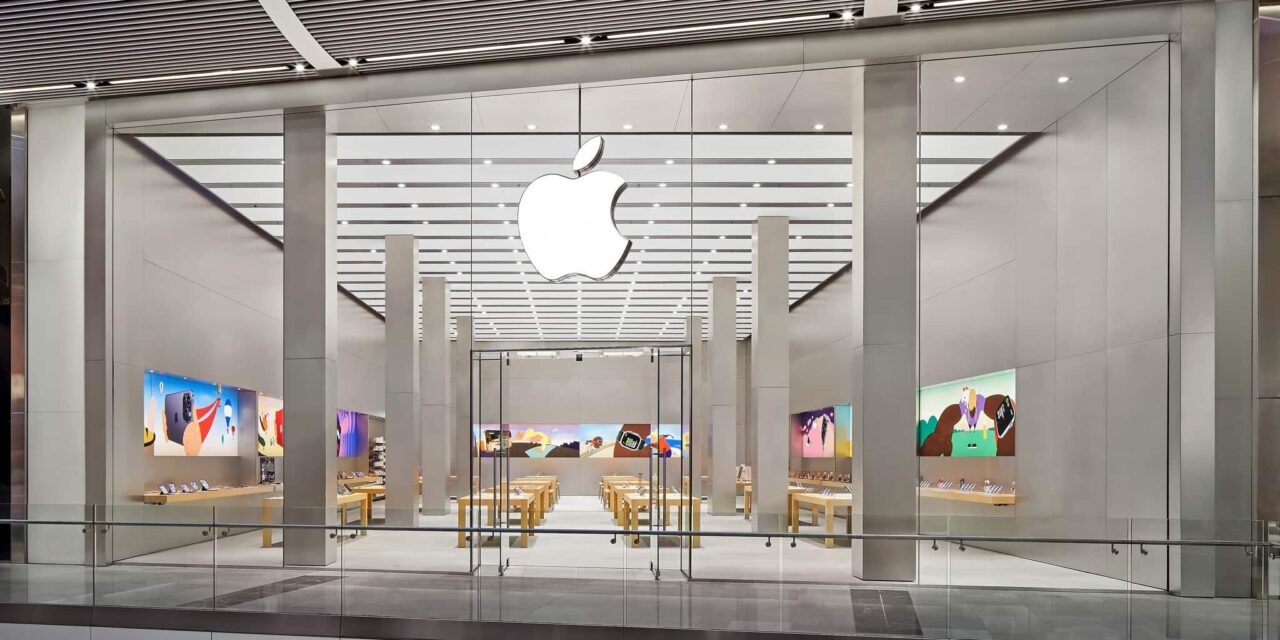
Venture capitalist and Draper Associates founder Tim Draper has publicly urged Apple (NASDAQ: AAPL) and Meta (NASDAQ: META) to add Bitcoin to their corporate balance sheets.
Draper made the remarks during a 30-minute interview published by Bitcoin Magazine on September 21, calling it “irresponsible” for major technology companies to maintain zero Bitcoin exposure.
He argued that corporate boards holding no Bitcoin leave their companies vulnerable if the banks managing their cash reserves were to fail.
Draper singled out SpaceX as a forward-looking example, citing the company as a business already holding Bitcoin on its balance sheet.
The billionaire laid out a broad framework, suggesting every business should hold at least four weeks of operating expenses in Bitcoin as a hedge against financial-system risk.
He extended that recommendation beyond corporations, arguing that each individual should hold roughly six months worth of Bitcoin reserves and that governments should also hold the cryptocurrency.
Draper warned that government spending has not slowed, which he said would produce one of two outcomes: hyperinflation or interest rates high enough to collapse banks.
Apple reported $146.5 billion in cash and marketable securities as of June without disclosing any Bitcoin holdings, while Meta reported $90.3 billion in cash and marketable securities over the same period with no Bitcoin exposure either.
Despite shareholder pressure at several major companies, Microsoft, Meta, Salesforce, and McDonald’s have each rejected proposals to add Bitcoin to their treasuries.
Microsoft shareholders rejected a Bitcoin treasury assessment in 2024, with recorded voting support of just 0.55%, and Meta’s board recommended voting against a similar proposal in 2025.
Draper portrayed Bitcoin as core infrastructure for an alternative financial economy, arguing blockchain systems and smart contracts would reduce the need for accountants, bookkeepers, and payment intermediaries.
He said the transition to a Bitcoin-based economy would involve considerable cyclicality before people ultimately used Bitcoin rather than dollars for everyday transactions.
Draper reiterated his long-standing price target of $250,000 for Bitcoin, with the next halving cycle central to his thesis on declining new supply supporting higher prices.
He estimated that two more halving cycles may be needed before Bitcoin becomes widely used for retail transactions, placing broader everyday adoption roughly five years away.
Draper also argued that artificial intelligence could accelerate Bitcoin adoption by making it easier for developers to build software and financial services around the network.
He has previously stated that quantum computers would compromise banks before they compromised Bitcoin, describing his own Bitcoin holdings as more secure than dollars held in a bank.
