
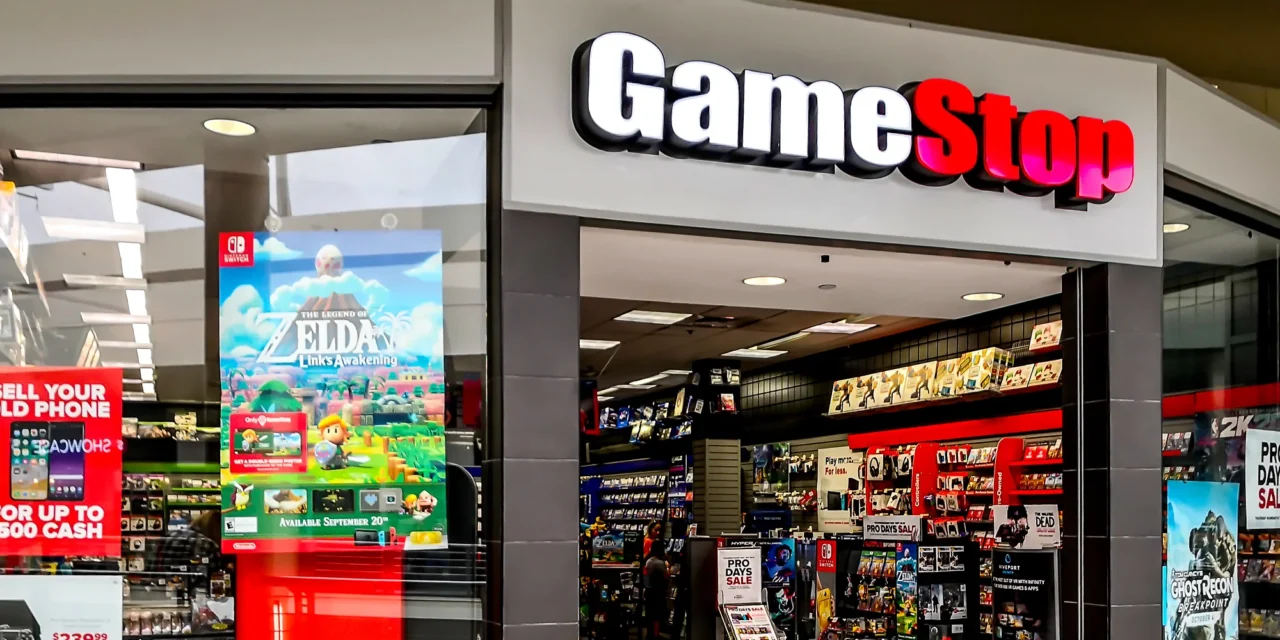
GameStop (NYSE: GME) delivered second-quarter 2026 results showing sales of $790.2 million and net income of $298.7 million, alongside record quarterly operating income.
The company also reported a more than twofold jump in adjusted EBITDA, reinforcing that its profitability push is gaining real traction despite broader revenue headwinds.
Collectibles have emerged as the standout segment, surging 57% and now accounting for 45.1% of net sales, a remarkable shift for a company once defined by physical video game retail.
CEO Ryan Cohen personally purchased 1,000,000 shares on the open market using his own funds, a signal that management conviction in the business remains high.
The share purchase comes alongside a decision to pause buybacks under the company’s new repurchase program, tilting near-term focus toward balance sheet optionality and management credibility.
Despite the strong profitability metrics, overall revenue still fell year over year, creating a fundamental tension that investors will need to weigh carefully when evaluating the stock.
GameStop’s investment holdings, including its stake in eBay, add another layer of complexity to the earnings picture, as non-core investment gains have played a meaningful role in reported profitability.
The key risks for investors center on execution within the collectibles segment, continued reliance on investment income rather than core retail growth, and a share price that has lagged both the broader market and peers over the past year.
Community fair value estimates for the stock span a striking range, from roughly $30 to over $400 per share, illustrating just how polarized opinion remains on GameStop’s long-term prospects.
Owning GameStop today requires a belief that the company can convert its collectibles momentum and higher profitability into something durable, even as its traditional business continues to shrink.
Cohen’s million-share purchase adds a layer of insider confidence to the narrative, but the durability of current profit levels remains an open and pressing question for the market.
Investors looking to build conviction on GME will need to determine whether the collectibles surge represents a genuine structural transformation or a temporary tailwind in an otherwise challenged retail model.
