
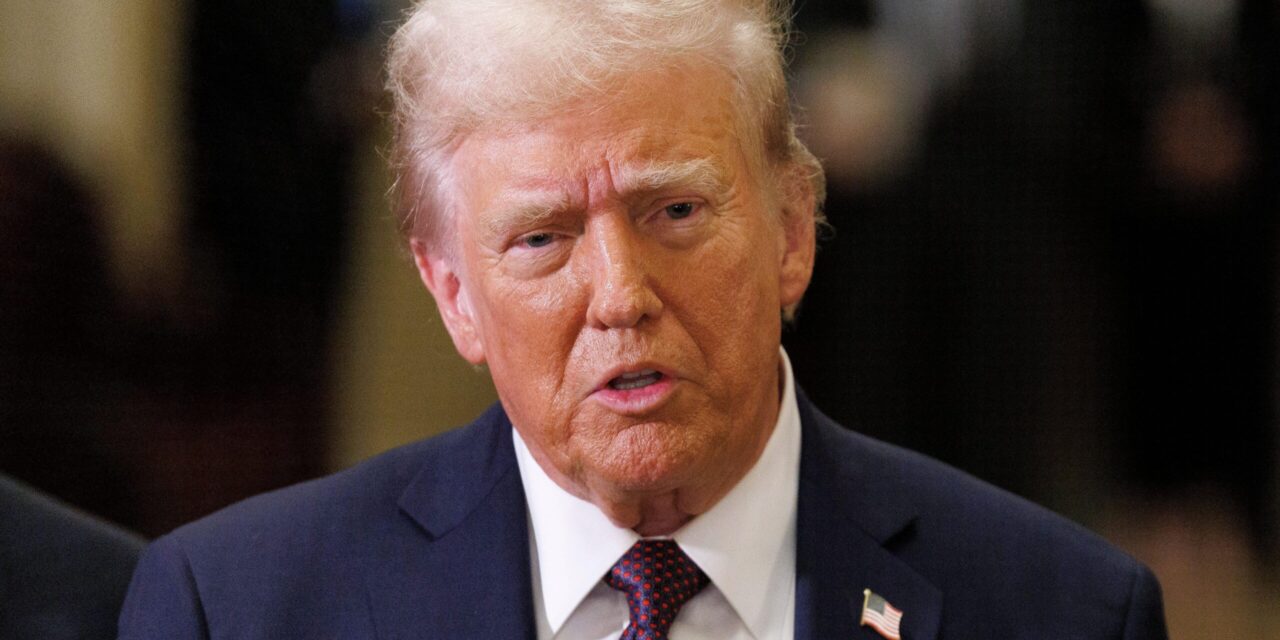
Trump has reignited debate over artificial intelligence regulation by asserting that the technology does not need formal guardrails, only strong presidential leadership at the helm.
The remarks signal a continued shift away from the regulatory framework established under the previous administration, which had prioritized safety testing and oversight mechanisms for advanced AI systems.
Trump argued that a capable and intelligent president is sufficient to manage the risks posed by rapidly advancing artificial intelligence, rather than codified rules or independent oversight bodies.
The position aligns with the broader deregulatory agenda his administration has pursued across multiple sectors since returning to the White House, placing executive authority at the center of governance.
Critics of the stance warn that relying on presidential judgment alone, without institutional checks, leaves AI development dangerously unchecked as the technology grows more powerful and pervasive.
The debate over AI regulation has intensified globally, with the European Union pressing ahead with its own comprehensive AI Act while the United States charts a markedly different course under Trump’s leadership.
Tech industry leaders have been divided on the question of government oversight, with some welcoming the lighter-touch approach and others cautioning that voluntary compliance is insufficient to address systemic risks.
The administration’s position effectively places the United States in contrast with allies who have moved toward binding international frameworks for governing AI development and deployment.
Proponents of the president’s view argue that excessive regulation stifles innovation and could hand strategic and economic advantages to rivals such as China, which is investing heavily in its own AI programs.
The remarks are likely to fuel ongoing congressional debate over whether the United States needs federal AI legislation, a question that has gained urgency as AI tools become embedded in finance, healthcare, defense, and communications infrastructure.
The administration has not indicated any plans to introduce new federal rules governing AI safety, leaving the policy landscape largely open as the technology continues to advance at pace.
