
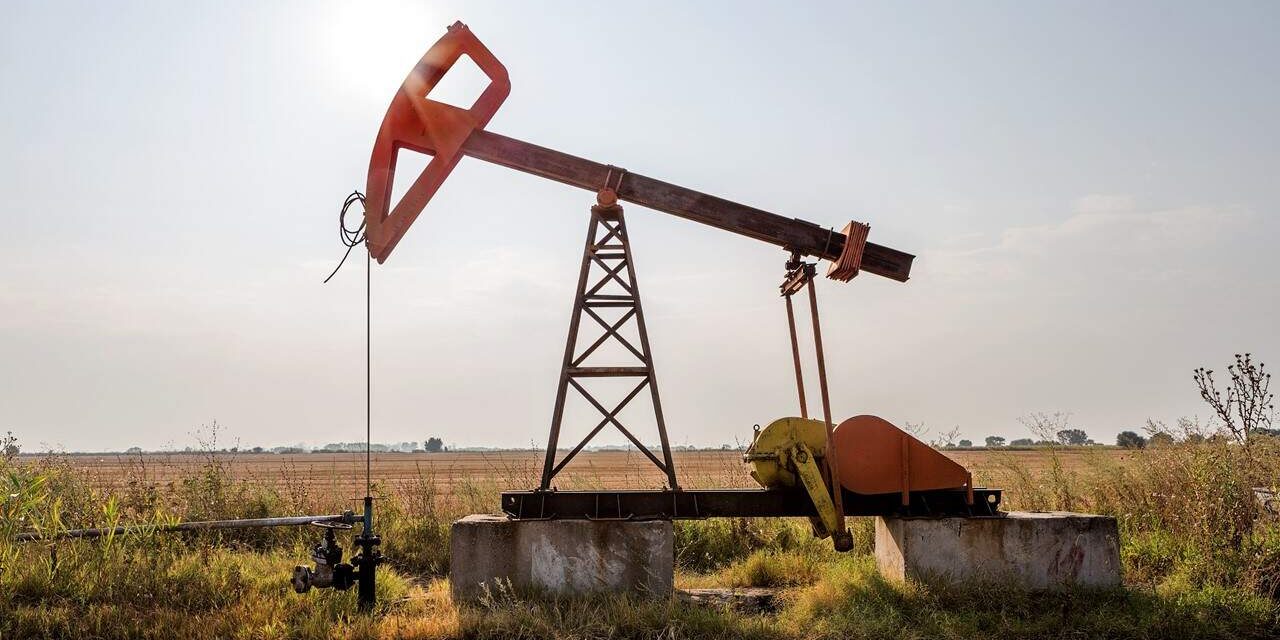
Texas cemented its position as the undisputed leader of American natural gas production in 2025, accounting for more than a quarter of total U.S. output across the year.
The state produced 13,603 billion cubic feet of natural gas in 2025, a figure that nearly doubles the output recorded by second-place Pennsylvania.
That production advantage underscores the sheer scale of Texas energy infrastructure, which continues to outpace every other state by a considerable margin.
Pennsylvania, West Virginia, and Ohio collectively contributed 28% of U.S. natural gas production, driven largely by prolific output from the Marcellus and Utica shale formations.
The Marcellus and Utica shales have long been central to Appalachian energy output, providing a significant counterweight to the dominant Permian and other Texas-based production basins.
Despite that combined Appalachian strength, no single state came close to matching the volume Texas brought to market throughout the year.
Just four states, Texas, Pennsylvania, New Mexico, and Louisiana, together accounted for 61.3% of all U.S. natural gas withdrawals in 2025, illustrating how concentrated domestic production truly is.
That level of geographic concentration carries significant implications for energy policy, pipeline infrastructure planning, and national supply security going forward.
New Mexico and Louisiana each play a supporting but critical role in maintaining overall supply levels, particularly as domestic and export demand for liquefied natural gas continues to grow.
The data reinforces a long-standing structural reality in American energy markets, where a handful of resource-rich states effectively determine the pace and volume of national gas supply.
With global LNG demand rising and U.S. export capacity expanding, Texas production figures will likely remain a closely watched benchmark for energy investors and policymakers alike.
The dominance of these four states also raises questions about the resilience of U.S. supply chains should weather events, regulatory shifts, or infrastructure disruptions affect any of these key producing regions simultaneously.
