
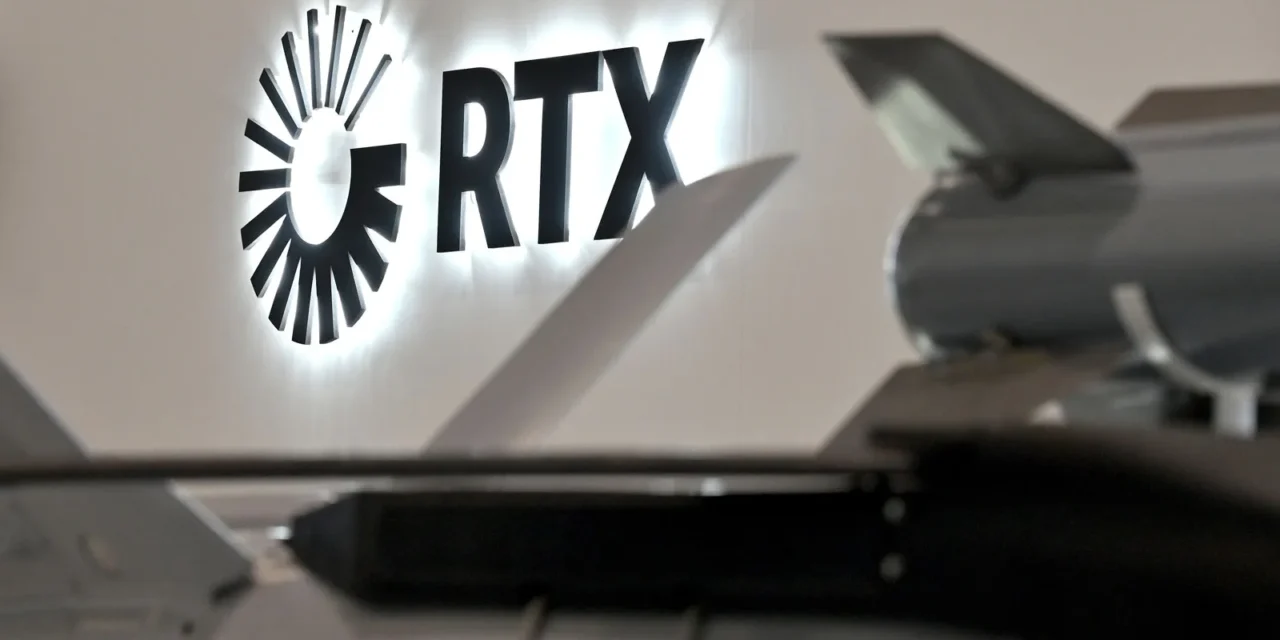
RTX Corporation (NYSE: RTX) completed a $50 million expansion of its Raytheon unit’s Forest, Mississippi, manufacturing facility on August 27, marking a significant production investment.
The expanded site now encompasses 445,000 square feet, making it one of the largest defense manufacturing facilities in the state of Mississippi.
The facility is designed to serve as a production hub for Next Generation Jammer Mid-Band pods destined for both the U.S. Navy and the Australian government, alongside other airborne radar programs.
The expansion is expected to generate approximately 100 high-skill jobs, adding economic weight to the strategic military value of the project.
RTX has invested around $280 million across three facility expansion projects at the site over the past decade, signaling consistent long-term commitment to domestic defense manufacturing.
On the bull side, RTX ended the second quarter with a record backlog of $289 billion, a 22% increase from a year earlier, including a defense backlog of $119 billion and commercial aerospace orders of $170 billion.
The company beat Wall Street estimates on both revenue and sales for the second quarter, and raised its full-year outlook on sustained demand for commercial aircraft maintenance and military systems.
Analysts currently hold a one-year average share price target of $234.47 as of September 3, representing an upside potential of approximately 16% from that reference point.
However, the bear case is difficult to ignore, with RTX trading at a forward price-to-earnings ratio of 27.72, well above the sector median of 19.92 and ahead of peers including Lockheed Martin, Northrop Grumman, and General Dynamics.
The company also trails the industry average on Return on Total Capital, posting 6.69% against a sector figure of 6.98%, and on Return on Common Equity at 12.02% versus the 12.63% industry benchmark.
While the $289 billion backlog represents roughly three times the company’s projected annual revenue for 2026, the promised work remains undelivered and unpaid, leaving meaningful execution risk on the table.
Broader tariff pressures and geopolitical uncertainty continue to pose industry-wide challenges that could weigh on operational and financial performance despite the recent guidance upgrade.
Hedge fund sentiment showed a modest cooling, with 92 funds holding stakes in RTX during Q2 2026, down slightly from 95 at the end of the first quarter, according to Insider Monkey’s database.
Fisher Asset Management remained the largest stakeholder as of June 30, holding shares worth $4.34 billion, representing a 1.2% sequential increase in position value.
Point72 Asset Management moved from third to second place among major holders, with approximately $626 million in RTX shares, reflecting a 58% investment increase from the first quarter.
D E Shaw rounded out the top three institutional investors, holding 2,760,281 shares valued at $524 million as of June 30.
The Mississippi expansion reinforces RTX’s capacity ambitions against a record backlog, but the stock’s premium valuation suggests a significant portion of the growth story is already reflected in the current share price.
RTX is expected to report third-quarter results during the fourth week of October, a catalyst that investors will be watching closely before making fresh positioning decisions.
