
Retailers across America are transforming their parking lots into fast-charging hubs, betting on long-term EV adoption even as federal funding dries up.
Walmart, Buc-ee’s, Circle K, and other major chains are rolling out branded fast-charging networks built on company-owned real estate, capturing customer data and loyalty in the process.
New white-label services and financing models allow property owners to avoid heavy upfront capital expenditure, making charger installations far more accessible than they were just a few years ago.
“I started calling it the Great American EV-charging build-out, which has been happening over the last 18 months,” said Bill Ferro, co-founder and chief technology officer at Paren, an EV research firm.
“You would not believe it if somebody told you that EV incentives are going away from consumers and charging incentives are disappearing. Why in the hell is everybody building?” Ferro said.
Federal support has been deeply constrained under the second Trump administration, which paused the $5 billion National Electric Vehicle Infrastructure program, known as NEVI, stalling hundreds of planned charging projects in early 2025.
A judge’s ruling earlier this year reversed that freeze, releasing some funding, but uncertainty around federal policy continues to hang over the industry.
New EV sales flattened in 2025 at approximately 1.2 million, according to the Bureau of Transportation, though the used EV market grew 10.1% year-over-year in July, expanding the total number of vehicles on the road needing power.
Operators added 4,382 new charging ports across 806 stations during the second quarter of 2026, bringing the nationwide total to just under 78,000, according to Paren’s State of the U.S. Fast EV Charging Industry report.
Charging sessions climbed 29% to 3.5 million in June alone, underscoring the growing demand retailers are racing to serve.
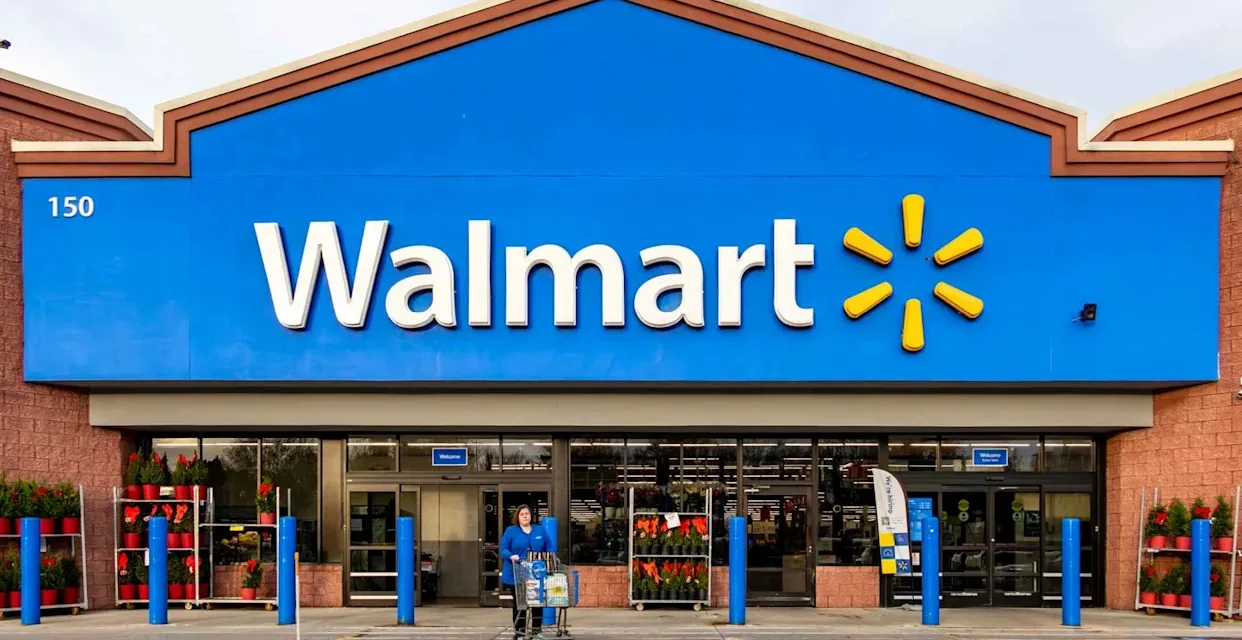
Walmart (NYSE: WMT) is leading the charge among brick-and-mortar retailers, recently announcing its 100th charging location at a store in Monument, Colorado, with plans for thousands of locations by 2030.
Shoppers can use the chain’s app to pull up to banks of as many as 16 chargers, powering their vehicles while they shop, with discounts offered as a perk to Walmart+ members.
“Tesla’s the 800-pound gorilla, so Walmart would be the 400-pound gorilla in the room,” Ferro said, noting he is tracking more than 200 additional Walmart charging locations in the pipeline.
Walmart Energy Senior Vice President Shayne Wahlmeier said in a statement that the rollout reflects how the retailer sees charging as a tool for capturing customer loyalty and driving deeper engagement around shopping time.
For retailers, the ideal charging session lasts roughly 20 to 40 minutes, giving customers an extended in-store experience and increasing the likelihood of repeat visits.
“That data is just gold for these retailers, and you don’t get that if you’re working with a third party,” said Blake Jessen, vice president of North America at Driivz, an EV management platform that works with brands like Sheetz.
EV owners tend to skew wealthier, making them particularly attractive as a customer demographic for retailers willing to invest in charging infrastructure and loyalty programs.
“It’s almost like you’re upgrading your ideal customer profile because of the knowledge of what they drive and therefore what they spend,” said Brandon Dobell, managing director at Brown Gibbons Lang & Co.
Convenience stores including Buc-ee’s and Circle K are also ramping up their charger offerings, with newer service arrangements from companies like Electrify America handling maintenance, permitting, and setup on behalf of retail brands.
Gas station brands like Sheetz and Wawa, which uses white-label chargers from Electrify America, are investing in branded charging to diversify their offerings and protect their existing customer base from long-term EV-driven shifts.
“For convenience stores, specifically, that are selling gas, it’s both an opportunity but also a threat, right? They want to protect that customer,” Jessen said.
Tesla’s Superchargers for Business program, launched a year ago, has added 58 stations with 355 ports over the last 10 months, according to Ferro, further expanding the retail charging landscape.
Federal legislation that created NEVI also catalyzed domestic charging manufacturing from companies such as Kempower and Alpitronic, strengthening the broader supply chain regardless of current policy headwinds.
“It’s the natural curve of technology. Electric cars have gotten cheaper as we now make batteries at scale,” said Dobell.
A dozen states, including California, have announced EV incentives designed to backfill lost federal dollars, and a predicted Democratic gain in the midterms could further moderate anti-EV policy from the White House.
“They’re not chasing short-term profits. It’s about a long-term understanding of the consumer,” Ferro said, capturing the mindset driving retailers to build charging infrastructure for decades ahead.
