
Rocket Lab (NASDAQ: RKLB), a developer of reusable orbital rockets, has become one of the most closely watched names in the commercial space sector heading into the next earnings season.
The company went public through a merger with a special-purpose acquisition company on August 25, 2021, opening its first trading day at $11.58 per share before climbing to approximately $64.
That represents a more than fivefold increase since its market debut, a performance that has drawn sustained attention from both retail and institutional investors.
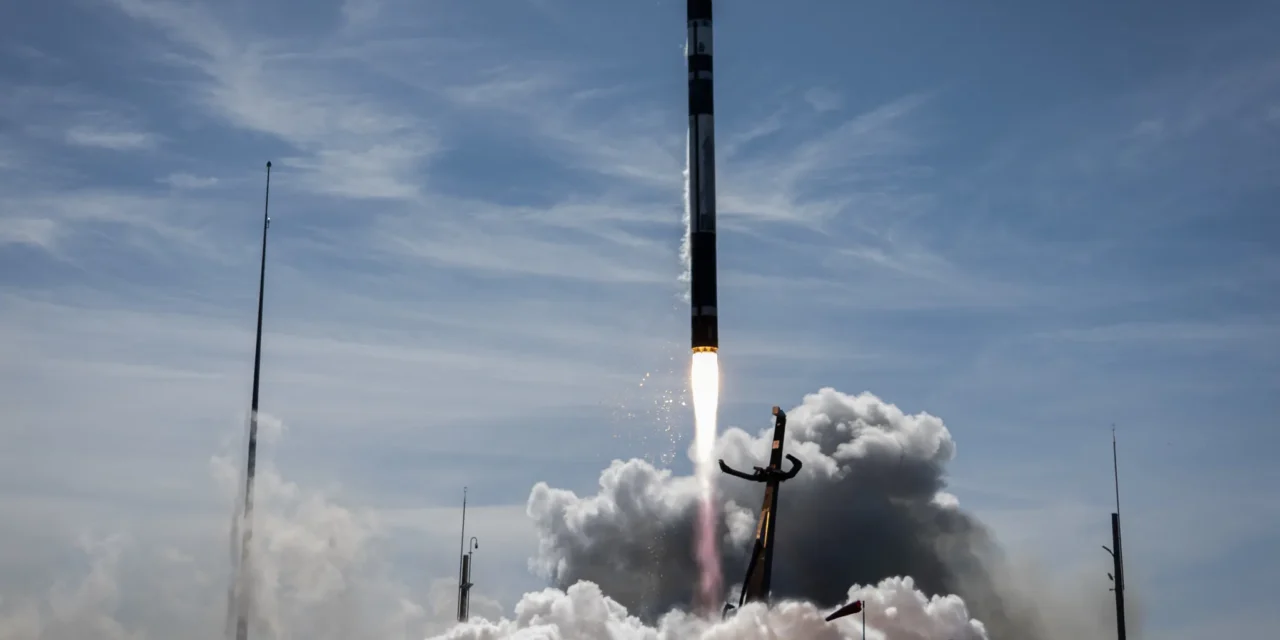
Rocket Lab is best known for its Electron rockets, which have been launched 94 times and deployed over 265 satellites across a range of commercial and government missions.
The company is also developing the higher-capacity Neutron rocket, which is expected to significantly expand its launch capabilities and addressable market when it enters service.
Its roster of launch customers includes some of the most prominent names in government space programs, among them NASA, the U.S. Space Force, and the Swedish National Space Agency.
Rocket Lab also operates the HASTE program, or Hypersonic Accelerator Suborbital Test Electron, a customized rocket platform that assists the U.S. Department of Defense in testing hypersonic and suborbital technologies.
Despite the high profile of its launch business, those launch services typically account for only 25% to 30% of Rocket Lab’s total revenue, with the remainder coming from spacecraft components and systems.
This diversified revenue structure has helped the company build a more resilient business model compared to pure-play launch competitors that depend entirely on mission frequency and pricing.
Investors will be watching closely when the company releases its next earnings report in early November, with expectations that continued mission cadence and expanding government contracts could push the stock further.
Rocket Lab has carved out a profitable niche operating in the shadow of SpaceX, focusing on small satellite deployment and responsive launch services rather than competing directly on heavy-lift missions.
With the broader space economy continuing to expand and defense spending on hypersonic research accelerating, the company appears well-positioned to sustain the momentum that has defined its first five years as a publicly traded business.
