
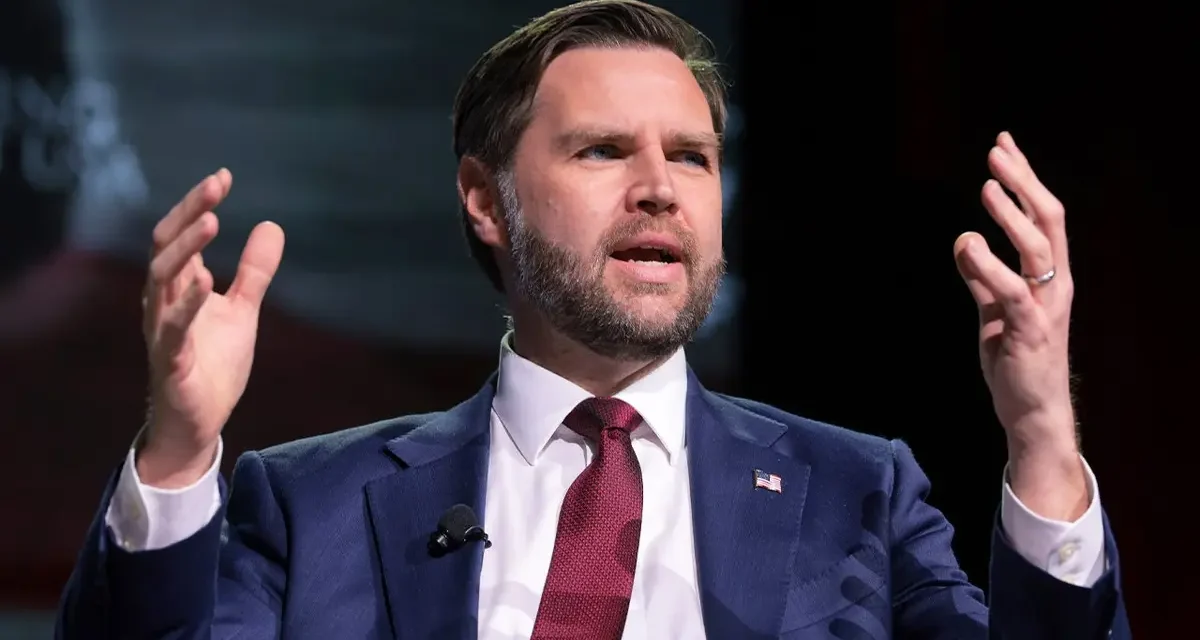
Representative Alexandria Ocasio-Cortez is emerging as a serious contender for the 2028 presidential race, polling within competitive range against Republican JD Vance.
A new survey places Ocasio-Cortez close behind Vance in a hypothetical 2028 matchup, signaling growing Democratic interest in the progressive congresswoman as a future standard-bearer.
The poll results have drawn significant attention from political analysts tracking early indicators of voter sentiment ahead of the next presidential cycle.
Vance, who serves as Vice President, would be among the most likely Republican candidates should he choose to mount a presidential campaign in 2028.
Ocasio-Cortez has built one of the most recognized political brands in the Democratic Party, commanding enormous grassroots fundraising power and a large national following.
Her strong progressive platform on issues including healthcare, climate policy, and economic inequality has energized younger voters who could prove decisive in a future general election.
Critics of Ocasio-Cortez argue that her positions remain too far left to win over the moderate and independent voters who typically decide presidential contests.
Supporters counter that the political landscape has shifted considerably, and that her direct communication style gives her an advantage in reaching disaffected voters across traditional dividing lines.
Early presidential polling at this stage in the cycle is historically volatile and carries significant uncertainty, with candidate fortunes often shifting dramatically as elections approach.
The findings nonetheless underscore that Ocasio-Cortez occupies a prominent position within Democratic thinking about who could lead the party into the next White House contest.
Vance’s own political trajectory will depend heavily on the direction of the Republican Party following the conclusion of the current administration’s term.
Both figures represent distinct and energized wings of their respective parties, and a potential 2028 matchup between them would frame the election as a sharp ideological contest.
Political strategists on both sides are likely to watch subsequent polling closely to assess whether these early numbers reflect durable trends or short-term fluctuations in public opinion.
