
Markets head into the first week of September carrying approximately 1% below record highs, lifted recently by Nvidia’s (NASDAQ: NVDA) confidence-boosting earnings and recovering oil flows through the Strait of Hormuz.
Goldman Sachs estimates oil flows through the Strait of Hormuz have recovered to around two-thirds of their prewar level, providing some relief to energy markets and broader investor sentiment.
With the bulk of earnings season now behind Wall Street, attention is shifting firmly toward the Federal Reserve, the bond market, and the broader implications of AI adoption across the economy.
Fed Chairman Kevin Warsh delivered a speech that, while stopping short of explicit forward guidance, made clear that current monetary policy is not considered particularly restrictive, aligning him with other governors who view inflation as still too high.
Bond markets responded quickly to Warsh’s remarks, with the CME’s FedWatch tool showing the probability of a September rate hike jumping to 60% on Friday afternoon, up sharply from just 35% the day before.
BlackRock’s Rick Rieder offered measured pushback on the hawkish read, stating: “We don’t by any means think that it necessitates a rate hike in September, especially with more employment and inflation reports before that meeting.”
Despite the recalibration in short-term rate expectations, longer-term bond yields offered little relief after the speech, with analysts noting that Warsh failed to address the nation’s historic debt and deficit levels.
Friday’s August nonfarm payrolls report will be among the most closely watched data points of the week, arriving just two weeks before the Fed’s September policy decision.
ING economist James Knightley wrote in a note to clients: “We expect a modest recovery of perhaps 65k in August, but the low-hire, low-fire narrative persists,” adding that “tariff-related caution and higher borrowing costs are likely to keep that in place for the rest of the year.”
Knightley also flagged a troubling decline in the labor force participation rate, suggesting it “likely reflects some disillusionment given the lack of hiring in the economy,” adding a darker dimension to an otherwise resilient-looking labor market.
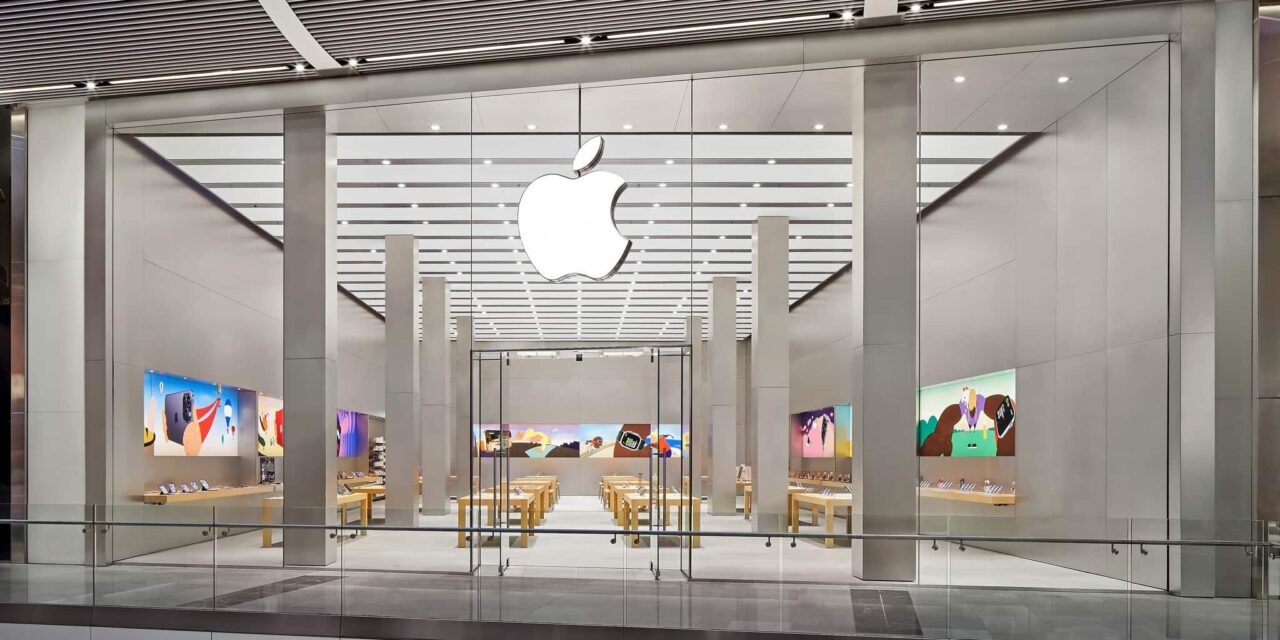
Apple (NASDAQ: AAPL) will also command significant attention this week as Tim Cook officially hands the CEO role to John Ternus, marking the end of one of the most consequential leadership tenures in corporate history.
Under Cook’s stewardship, Apple’s market capitalization grew from $350 billion to between $4 trillion and $5 trillion, while the iPhone cemented itself as an indispensable fixture of modern daily life.
Cook’s legacy includes transforming Apple into a services powerhouse, navigating the mobile and social media eras without losing the company’s identity, and resisting the pressure to chase large language model trends that consumed many of his peers.
On the earnings front, Palo Alto Networks (PANW) and Dell Technologies (DELL) report Tuesday, followed by Broadcom (AVGO), Snowflake (SNOW), and Hewlett Packard Enterprise (HPE) on Wednesday, with DocuSign (DOCU) and Victoria’s Secret (VSXY) closing out Thursday.
The week’s economic calendar is equally packed, featuring JOLTS job openings data and ISM manufacturing figures Tuesday, ADP private payrolls Wednesday, Challenger job cuts and ISM services data Thursday, and the headline nonfarm payrolls print Friday morning.
Consensus expectations point to a gain of roughly 58,000 nonfarm payrolls in August, with the unemployment rate forecast to hold steady at 4.1% and average hourly earnings expected to rise 0.3% month-on-month.
A stronger-than-expected jobs report could tip the balance toward a September rate hike, giving hawkish FOMC members additional justification to move despite lingering uncertainty about the economic costs of tighter policy.
