
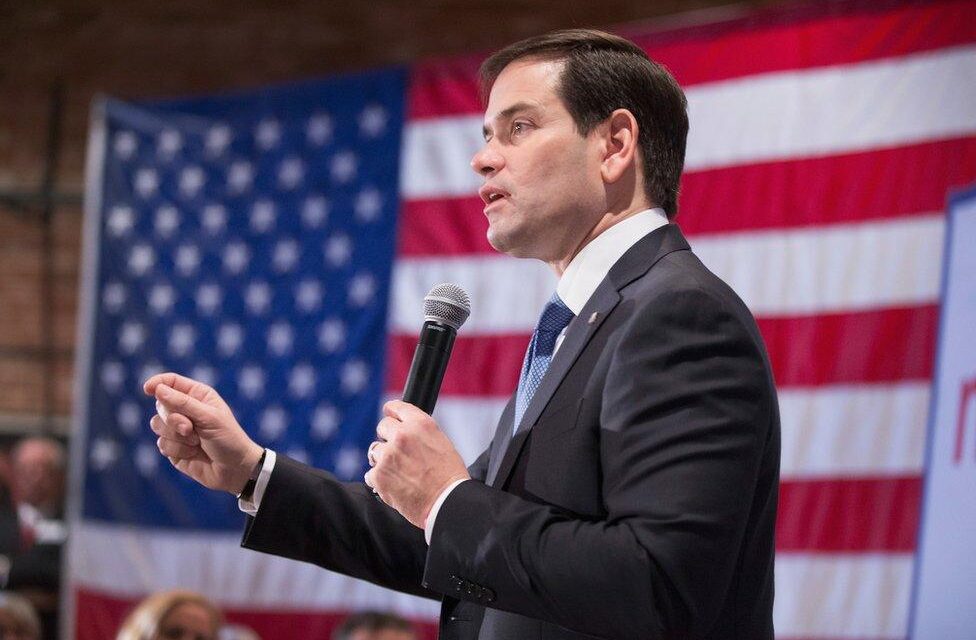
Secretary of State Marco Rubio has informed American allies that the United States is shifting its primary approach toward Iran, moving away from direct military strikes and toward an expanded sanctions regime, Axios reported.
The diplomatic signal marks a notable change in tone from Washington, indicating the administration favors economic pressure over kinetic action as its principal tool against Tehran.
Rubio communicated the shift directly to allied governments, according to reporting from Axios, suggesting a coordinated effort to align partner nations with the new strategic posture.
The move comes amid ongoing tensions over Iran’s nuclear program, which Western powers have long sought to curtail through a combination of diplomacy, sanctions, and the implicit threat of military force.
A sanctions-first approach would aim to squeeze Iran’s economy and limit its ability to fund regional proxy forces, including militant groups that have remained active across the Middle East.
The administration’s willingness to signal this shift to allies suggests Washington is seeking multilateral backing to maximize the economic pressure that targeted sanctions can generate.
European allies, who have historically favored diplomatic engagement with Tehran, may find the sanctions-focused approach more palatable than the prospect of U.S.-led or U.S.-sanctioned military action.
However, critics of a sanctions-heavy strategy argue that Iran has demonstrated considerable resilience in the face of previous economic restrictions, adapting its financial networks to limit the impact over time.
The pivot also raises questions about the role of Israel, which has conducted its own strikes on Iranian-linked targets and has pushed Washington to maintain a credible military threat as leverage in negotiations.
How allied governments respond to Rubio’s communication will be a key indicator of whether the administration can build the kind of unified international front necessary to make a sanctions-driven strategy effective against Iran.
