
AST SpaceMobile (NASDAQ: ASTS) and Archer Aviation (NYSE: ACHR) represent two of the most ambitious growth bets in the industrials sector, each burning cash at scale while chasing transformative markets.
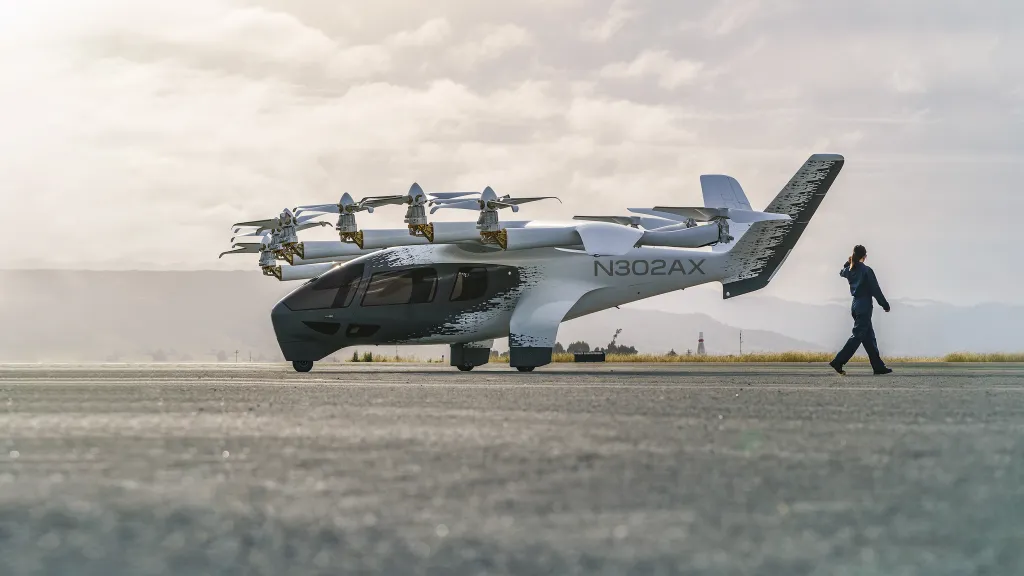
Archer Aviation is building electric vertical takeoff and landing aircraft, backed by major aerospace, automotive, and airline partners that provide both manufacturing capacity and financial support.
AST SpaceMobile is pursuing a direct-to-device satellite network designed to connect standard smartphones to space-based infrastructure without any specialized equipment.
Both companies carry minimal revenue relative to their ambitions, but their balance sheets and competitive positions paint meaningfully different pictures for investors weighing which to buy.
Archer’s growth strategy is anchored by a United Purchase Agreement providing for the conditional purchase of up to $1.0 billion in Midnight aircraft from United Airlines Holdings, creating significant customer concentration risk.
The company’s recent acquisition of Boeing (NYSE: BA) subsidiaries Wisk Aero and SkyGrid does broaden its technological base, though Archer reported just $300,000 in revenue for fiscal year 2025.
Executives have signaled an initial focus on military and cargo applications as an easier path to early revenue, with Wall Street analysts projecting Archer’s first profit in 2030 alongside $2.3 billion in revenue.
Archer’s debt-to-equity ratio stood at roughly 0.1x on its December 2025 balance sheet, reflecting limited reliance on borrowed capital, though free cash flow was deeply negative at $511.7 million.
AST SpaceMobile’s investor roster reads like a who’s who of global telecommunications, with AT&T, Verizon, Bell Canada, Rakuten, Vodafone, Alphabet, American Tower, and Telus all holding equity stakes in the company.
The company expects to have 45 satellites in orbit by the end of 2026, enough to fully service the United States market and begin accelerating revenue growth meaningfully.
Wall Street projects AST SpaceMobile will generate $149 million in sales for fiscal 2026, rising sharply to $725 million the following year, when the company is expected to record its first modest profit.
Analysts see AST SpaceMobile achieving positive free cash flow by 2029, a milestone that reflects the enormous upfront capital expenditure required to deploy a functional global satellite network.
Archer faces competition not only from electric vertical takeoff and landing rivals like Joby Aviation, but also from the established conventional small jet sector, complicating its path to scale.
AST SpaceMobile’s faster trajectory to significant revenue, combined with its deep telco investor base and structural barriers to new entrants, makes it the stronger buy heading into the back half of 2026.
