
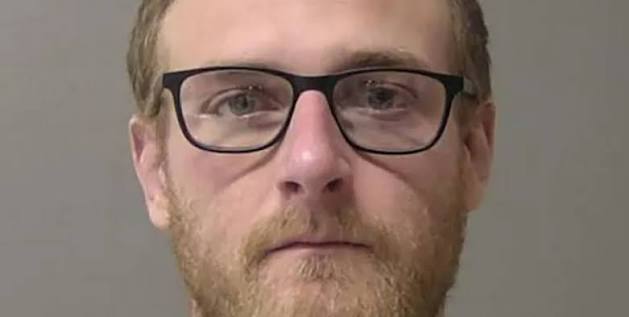
Sean Grayson, the former Illinois sheriff’s deputy convicted in the fatal shooting of Sonya Massey inside her home, has died while incarcerated, his attorney confirmed.
Grayson’s attorney, Daniel Fultz, confirmed that his client died on Sunday but declined to provide any additional details surrounding the circumstances of the death.
Grayson, 32, had been serving a 20-year prison sentence following his conviction for second-degree murder in October, stemming from the July 2024 shooting of Massey in her Springfield-area home.
Massey, a 36-year-old Black woman, had called authorities to report a possible prowler outside her residence before the encounter turned fatal inside her own kitchen.
Body camera footage captured Massey crouching in her kitchen and apologizing to Grayson moments before he shot her in the face, footage that quickly spread nationally and drew widespread outrage.
Grayson had originally been charged with first-degree murder but was ultimately convicted of the lesser second-degree murder charge after arguing he feared Massey would throw hot water at him.
He was sentenced in January to the maximum 20-year prison term, and prior to sentencing, his attorneys disclosed that Grayson had been diagnosed with colon cancer before Massey’s killing, a disease that had since spread to his liver and lungs.
Massey’s death became a significant flashpoint in ongoing national debates over police use of force, sparking protests and drawing scrutiny to how Grayson had cycled through multiple law enforcement agencies before his hiring by the Sangamon County Sheriff’s Office.
Illinois lawmakers responded by passing the Sonya Massey Act, a measure requiring law enforcement agencies to conduct more thorough reviews of applicants’ previous employment records before bringing on new officers.
The federal Justice Department separately opened a civil rights investigation following Massey’s death, ultimately reaching an agreement with Sangamon County, its sheriff’s office, and other agencies mandating sweeping changes to policing and emergency response practices.
Those mandated reforms included additional training for officers handling interactions with people with behavioral health disabilities, as well as the development of a mobile crisis response program designed to better address such situations going forward.
