
Rocket Lab USA (NASDAQ: RKLB) reported second-quarter 2026 revenue of $234 million, representing a 62% increase year over year, driven by strong performance across both core business segments.
Space Systems revenue reached $189.5 million for the quarter, rising 38.6% sequentially on higher contributions from satellite manufacturing and the Mynaric acquisition.
Launch Services revenue came in at $44.6 million, a 30% decline from the prior quarter, reflecting a shift toward overtime HASTE revenue recognition rather than a slowdown in underlying demand.
Non-GAAP gross margin of 41.5% exceeded company guidance of 38 to 40%, benefiting from a nonrecurring tariff refund that was partially offset by inventory reserves.
GAAP gross margin landed at 36.1%, also above prior guidance of 33 to 35%, signaling stronger-than-expected operational execution across the business in the quarter.
Non-GAAP operating expenses for Q2 came in at $115.7 million, comfortably below the company’s own guidance range of $120 to $126 million.
Total backlog at the end of Q2 2026 stood at approximately $2.36 billion, with launch contracts accounting for roughly 40% and Space Systems representing the remaining 60%.
The company signed more than $1 billion in new contracts during Q2 and the post-quarter period, including a record $266 million Space Force contract for up to 18 suborbital missions.
In a major strategic move, Rocket Lab announced the acquisition of Iridium Communications, a deal that would add a 66-satellite constellation, over 2.5 million subscribers, and $870 million in annual revenue to the company’s portfolio.
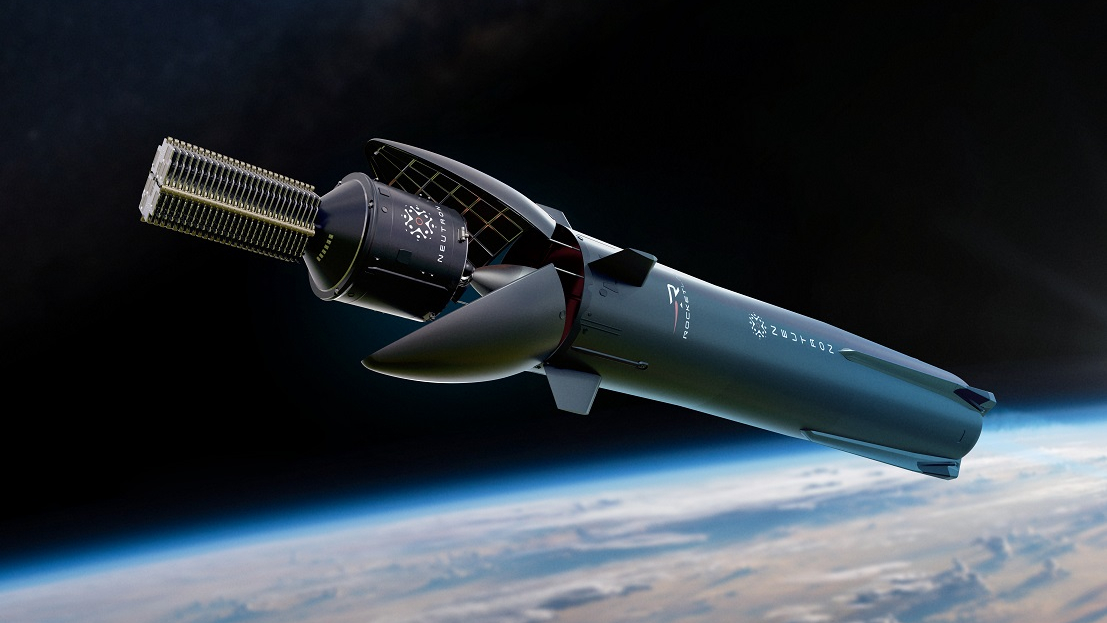
CEO Sir Peter Beck addressed Neutron demand directly during the earnings call, stating that selling full-price Neutron launches ahead of the test flight has presented “absolutely zero issues” for the company.
Beck emphasized that while the first Neutron flight is critical, the company’s focus is on reaching Flight 10 as quickly as possible, targeting a 1-3-5 ramp driven by reusability objectives.
CFO Adam Spice noted that the Neutron launch vehicle carries a target average selling price of $50 to $55 million, with no significant discounting planned for early launches.
Spice added that given current supply-demand dynamics in the launch market, the company sees more pricing upside than downside for Neutron going forward.
The company recorded an inventory reserve against the Neutron Flight 2 launch vehicle, which partially offset the nonrecurring tariff refund benefit recognized in the quarter.
Production-related headcount ended Q2 2026 at 1,688 employees, an increase of 240 from the prior quarter, reflecting continued scaling of manufacturing capacity.
For the third quarter of 2026, management guided for revenue of $250 to $265 million, with continued investment in Neutron development and integration of recent acquisitions, including the pending Iridium deal.
Q3 GAAP gross margin is expected to decline to 29 to 31%, while non-GAAP gross margin is guided at 35 to 37%, down from Q2 levels due to a shift in Space Systems mix and acquisition integration costs.
Analysts from Cantor Fitzgerald, Craig-Hallum, Citizens JMP, Deutsche Bank, and Robert W. Baird participated in the earnings call alongside Founder, Chairman, President and CEO Sir Peter Beck and CFO Adam Spice.
