
Surging long-dated US Treasury yields and mounting concerns about government debt are sending shockwaves through global markets, with UK banks and mortgage lenders sitting squarely in the firing line.
The stress rippling through bond markets has the potential to reshape share prices and reset investor expectations with remarkable speed, making it critical for portfolio holders to pay close attention.
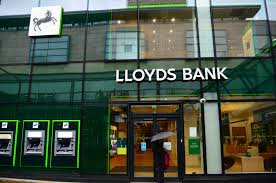
Lloyds Banking Group (LSE: LLOY) sits at the heart of the UK’s retail and commercial banking landscape, touching current accounts, savings, mortgages, credit cards, and SME lending across the country.
The bank generates most of its revenue through its Retail arm at approximately £11.9 billion, with a further £5.7 billion from Commercial Banking and £1.4 billion from Insurance, Pensions and Investments.
Lloyds carries a market capitalization of around £66.7 billion, cementing its position as one of the largest listed financial institutions in the United Kingdom.
The bank’s Accelerate 2030 strategy targets £2 billion in gross cost savings while leaning heavily on AI, digital services, and a push toward fee-based wealth and insurance income to offset pressure on lending margins.
Conduct issues, mortgage spread pressure, and the broader weight of a UK-focused economic and regulatory environment remain meaningful risks that investors cannot easily dismiss.
NatWest Group (LSE: NWG), headquartered in Edinburgh, serves retail customers, wealthy individuals, and businesses through its Retail, Private Banking, and Commercial and Institutional divisions, with a market cap of roughly £56.3 billion.
Commercial and Institutional is the largest revenue contributor at approximately £8.9 billion, followed by £6.3 billion from Retail Banking and £1.2 billion from Private Banking and Wealth Management.
NatWest sits at the intersection of rising UK borrowing costs, an expanded wealth footprint following the Evelyn Partners deal, and a large structural hedge that shapes how higher yields feed into earnings.
The bank trades on a relatively low price-to-earnings ratio, and internal discounted cash flow estimates suggest meaningful upside to its current share price, though tight mortgage spreads and regulatory spend leave little room for error.
OSB Group (LSE: OSB) is a specialist UK mortgage and savings bank focused on buy-to-let, residential, bridging, and commercial lending, with a market cap of roughly £1.7 billion.
The company earns the majority of its income from the OneSavings Bank unit at approximately £422 million, with a further £234 million contributed by Charter Court Financial Services.
OSB’s earnings are directly tied to UK mortgage rates and funding costs, making it one of the most exposed names in the sector to any sustained move higher in global bond yields.
The company has been actively repurchasing shares, with around 3.7 percent of shares bought back between March and early August 2026, and it continues to trade at a low price-to-earnings multiple relative to some cash flow-based fair value estimates.
Higher bad loan levels, a relatively low allowance for potential losses, and an uneven dividend record represent the counterweights that investors must weigh carefully against the apparent value on offer.
Across all three names, the central question for investors is whether the combination of cost discipline, capital returns, and evolving business models can hold up if UK economic conditions remain stressed and funding markets stay elevated.
