
Rocket Lab (NASDAQ: RKLB) jumped 5.9% after delivering record second-quarter revenue of $234.07 million, signaling growing investor confidence in its expanding space infrastructure ambitions.
The company reported a record backlog of $2.36 billion alongside the headline revenue figure, reflecting sustained and growing demand across its launch and space systems divisions.
A $397 million U.S. Space Force Flatellites contract added significant weight to the quarter, reinforcing Rocket Lab’s deepening role as a trusted government space contractor.
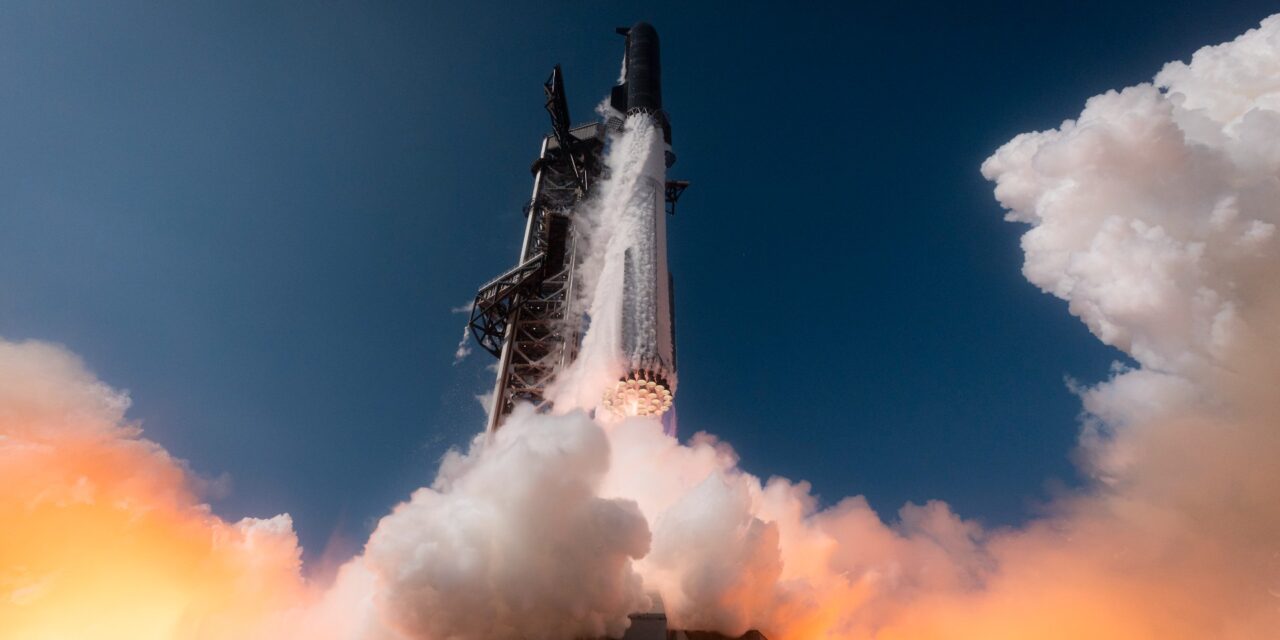
Neutron rocket development continued to advance, with the company progressing toward its first pad delivery, though the inaugural launch window may slip into 2027.
Rocket Lab’s planned acquisition of Iridium is also moving forward, with the deal still under regulatory review as the company looks to expand its integrated space infrastructure footprint.
To fund these ambitions, Rocket Lab raised $1.06 billion through an at-the-market equity program, with the capacity to sell up to an additional $1.94 billion in shares if needed.
The fresh capital gives Rocket Lab significant financial firepower to fund the Iridium acquisition and its broader mergers and acquisitions pipeline, though it sharpens dilution and execution risk for current shareholders.
Integration of recently acquired companies Mynaric and Motiv also sits among the near-term priorities, alongside managing cash burn as the business scales toward profitability.
Despite the strong quarterly results, the stock experienced recent volatility, suggesting that markets are already carefully weighing the trade-offs between growth potential and execution risks.
Simply Wall St Community members have submitted 28 separate fair value estimates for Rocket Lab, ranging widely from $16.25 to $150 per share, reflecting deep disagreement among analysts and investors.
That spread of opinion is notable given that Rocket Lab remains unprofitable and is funding major acquisitions through multi-billion-dollar equity programs while navigating a pivotal Neutron launch timeline.
The central investment question for Rocket Lab remains whether its push toward becoming a vertically integrated space infrastructure business can deliver returns before dilution and cash burn weigh too heavily on shareholders.
