
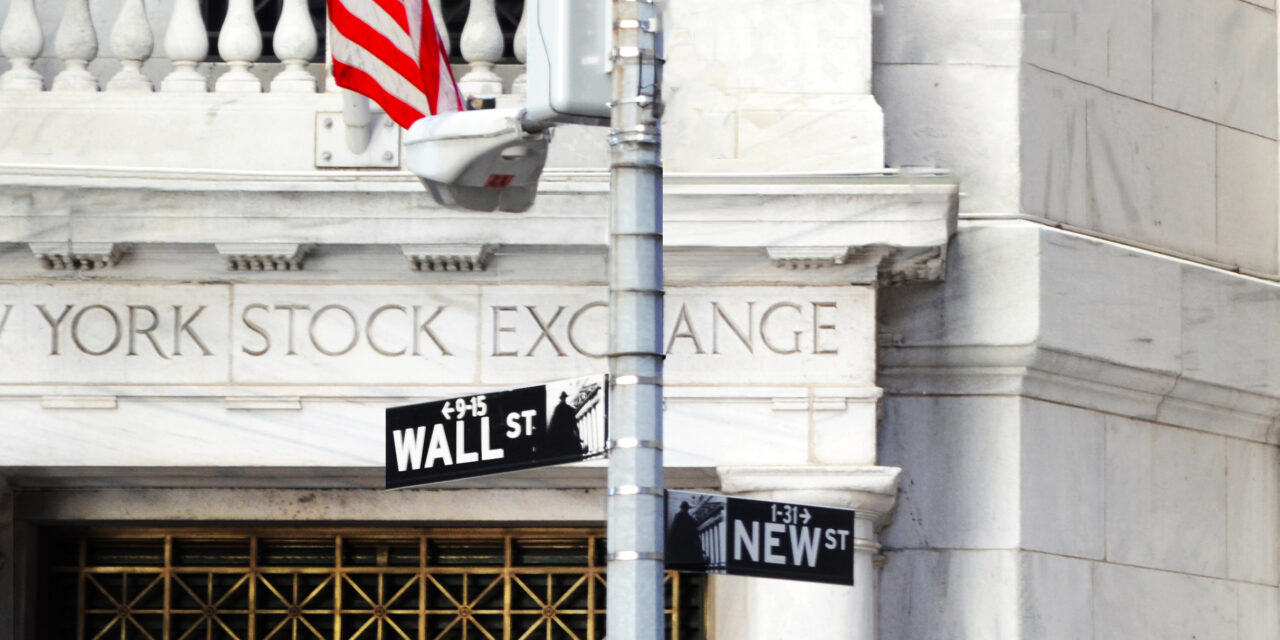
Wall Street closed higher on Friday, capping its strongest weekly performance since April following the release of a weaker-than-expected July jobs report.
The Dow Jones Industrial Average (INDEXDJX: .DJI) added 0.28% on the day, while the S&P 500 (INDEXSP: .INX) climbed 0.62% and the Nasdaq Composite (INDEXNASDAQ: .IXIC) led gains with a 1.30% advance.
The Labor Department reported that the U.S. economy subtracted 23,000 nonfarm jobs in July, a figure that rattled expectations and sent ripples across both equity and fixed income markets.
Bond markets rallied sharply in response to the disappointing employment data, with stock prices following suit as investors recalibrated their outlook for monetary policy.
The yield on the 2-year Treasury note fell 4.2% over the course of the week, registering its largest single-week decline since June.
Bond prices move inversely to yields, meaning the drop in Treasury yields reflected a significant surge in demand for government debt as investors sought safer positioning.
Equity markets took their cues from the bond rally, interpreting softer labor market conditions as a potential signal that interest rate pressure could ease in the months ahead.
The week’s gains represent a meaningful rebound for U.S. equities, which have faced persistent volatility throughout much of the year amid ongoing uncertainty around monetary policy and global trade conditions.
With the jobs report now digested, market participants are quickly shifting their attention toward upcoming inflation data, which will play a central role in shaping expectations for Federal Reserve action.
Any surprise in inflation figures could either reinforce or undermine the bullish momentum that carried markets higher this week, making the next round of economic data a critical test for the rally.
Traders and analysts will be watching consumer price index readings closely, as the combination of a weakening labor market and stubborn inflation could complicate the Fed’s path forward considerably.
The interplay between employment trends and inflation dynamics will define the near-term direction of both bond and equity markets as the second half of the year progresses.
