
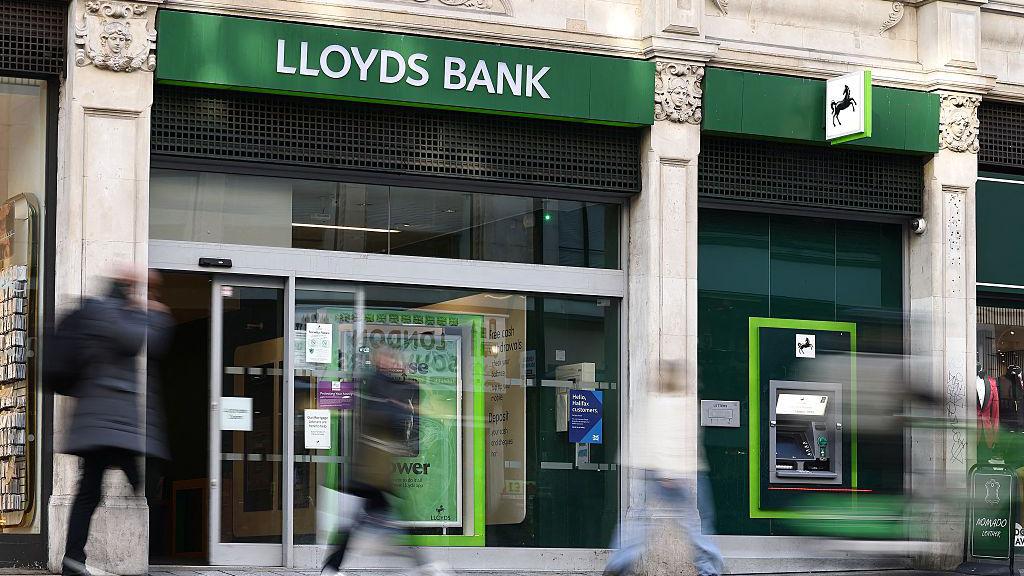
Lloyds Banking Group PLC (NYSE: LYG) delivered a strong first-half 2026 earnings performance, reporting a 17.1% return on tangible equity and net income growth of 9% year-on-year.
The results prompted management to announce a 30% increase in the interim dividend alongside a new GBP 1 billion share buyback program, signaling confidence in the bank’s capital generation trajectory.
The company simultaneously unveiled its new “Accelerate 2030” strategic plan, targeting a mid-single-digit net income compound annual growth rate through the end of the decade.
The plan also sets a cost-income ratio target below 45% and aims to achieve a return on tangible equity of around 20% by 2030, representing a meaningful step up from current levels.
Other operating income continued to build momentum in the period, growing 11% in H1 2026 on the back of broad-based expansion across retail, commercial, and insurance divisions.
The structural hedge remains a central pillar of the bank’s income outlook, with management projecting hedge income to grow to over GBP 9 billion by 2030.
Chief Financial Officer William Chalmers addressed analyst questions about the conservatism embedded in guidance, stating: “Our plan is built on layers of prudence. For the structural hedge, we assume a reinvestment rate of 3.7%, which is about 50 basis points below current market rates.”
Chalmers added that applying current market refinancing rates to the existing notional would produce “a number significantly higher than our guided ‘greater than 9 billion’ for 2030,” underlining the upside potential in the bank’s published targets.
On capital generation, Chalmers explained that balance sheet growth and rising risk-weighted assets account for the gap between the 20% ROTE target and the stated capital generation guidance of more than 225 basis points for 2030.
CEO Charlie Nunn defended the decision to migrate Halifax customers to the Lloyds brand in England, explaining: “As the world gets more complex with embedded finance and agentic AI, having one strong, well-recognized brand is crucial for staying top-of-mind with customers across different channels.”
Nunn also committed to delivering GBP 2 billion in gross cost saves over the next four years, building on a track record of having already delivered GBP 2 billion in savings over the prior five years.
He pointed to agentic AI as one of the new levers available to the bank, saying: “If we can out-deliver, we will, and we will then look at the best use of that capital, including shareholder distributions.”
On the competitive environment, Nunn pushed back against concerns that higher rates would simply trigger offsetting margin compression, noting the bank’s plan does not rely on heroic margin assumptions and that “the real alpha in our plan comes from market share gains, BAU balance sheet growth, and strategic initiatives.”
On the negative side, the bank flagged a GBP 41 million charge in Q2 2026 from adverse used car prices, which added volatility to operating lease depreciation and weighed on other income in the quarter.
Credit quality remained stable with an asset quality ratio of 25 basis points, though management acknowledged that a deterioration in the economic outlook could lead to a modest increase in impairment charges going forward.
