
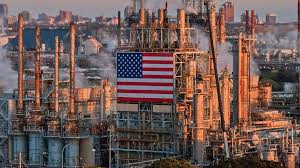
The Trump administration is actively engaging with potential investors to reopen defunct petroleum refineries stretching from California to the U.S. Virgin Islands amid growing fuel price concerns.
Three industry executives familiar with the talks say the White House has held discussions with a wide range of potential suitors looking to revive mothballed refining operations.
The National Energy Dominance Council has confirmed it fielded inquiries from potential investors interested in restarting idled fuel production facilities across the country.
Industry sources say the NEDC connected those investors to relevant government agencies to explore how federal assistance could help facilitate and accelerate those investments.
Discussions have progressed far enough that council officials have consulted with the U.S. Environmental Protection Agency on the regulatory requirements surrounding the reopening of mothballed facilities.
Those regulatory consultations are expected to be particularly significant for the refinery located on St. Croix in the U.S. Virgin Islands, which has faced years of environmental problems and protracted legal battles.
The St. Croix facility represents one of the more complex cases in the administration’s broader push to expand domestic fuel production and reduce dependence on foreign refining capacity.
Rising anxieties over higher fuel prices appear to be a key driver behind the White House’s urgency in pursuing these conversations with the private sector.
Investors are clearly aware that the administration views fuel price stability as a priority, and several parties have stepped forward offering assistance to help reopen long-dormant infrastructure.
The outreach reflects a wider strategy under the Trump administration to assert what it has called energy dominance, using federal influence to unlock private capital for domestic energy projects.
Whether the regulatory and financial hurdles facing these facilities can be overcome remains an open question, particularly for sites like St. Croix that carry significant environmental and legal histories.
The administration’s engagement with investors signals a belief that market conditions and political will may now be aligned in a way that could make previously unviable refinery restarts financially attractive.
