
A coalition of 25 major technology companies has published a joint open letter arguing that American AI leadership depends on building an open model ecosystem accessible to developers worldwide.
The letter, titled “Open Weights and American AI Leadership,” was signed by Nvidia (NASDAQ: NVDA), Microsoft, Meta, IBM, Dell, Palantir, Andreessen Horowitz, Hugging Face, Y Combinator, Mozilla, Mistral, Replit, Perplexity, and the Linux Foundation, among others.
The push was triggered by the July 16 release of Kimi K3, a near-frontier open-weight AI model from Beijing-based Moonshot AI, which ignited a fierce policy debate in Washington over national security and regulatory controls.
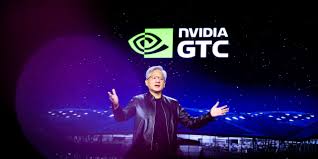
Nvidia CEO Jensen Huang amplified the letter with his first-ever post on the social media platform X, which accumulated more than 11 million views within hours of being published.
Huang also told Axios that American firms should be permitted to use Chinese AI models, describing widespread fears about Chinese backdoors in those systems as a misconception.
OpenAI and Anthropic had initially been notable absentees from the letter, with both companies actively lobbying lawmakers for tighter restrictions on open-weight AI releases, citing potential exploitation risks.
OpenAI CEO Sam Altman posted on X on July 24 that he wants the United States to “win with both open-weight and proprietary models” and was “glad to see this,” before OpenAI’s name was added to the letter by July 26.
Amazon and Anthropic remained absent from the coalition, a strategically significant decision given Anthropic’s prominent public stance on AI safety and its close commercial ties with Amazon.
The Kimi K3 release also triggered a separate and serious allegation, with White House advisor Michael Kratsios stating that Moonshot AI developed the model by distilling Anthropic’s technology without authorization.
Distillation is an AI training method in which a smaller, less capable model is built using outputs generated by an existing and more powerful model, effectively transferring capability without full independent development.
White House officials and Anthropic characterized the alleged distillation operation as “IP theft” and “industrial espionage,” while the Treasury Department floated the possibility of sanctions against Moonshot AI.
Washington is now actively debating whether to restrict American access to Chinese AI models, limit the use of distillation techniques, and impose new export controls on AI model weights.
Researchers have raised concerns about the downstream impact of such restrictions on academic and scientific work that relies on access to a broad range of AI systems for comparative study.
“As a researcher, I’m very worried if, for example, we get access cut off to all the Chinese models,” said Suresh Venkatasubramanian, former Biden White House tech adviser, highlighting the value of open-weight models for independent research.
Venkatasubramanian argued that open-weight models, which can be modified and studied more freely than closed proprietary models, are especially valuable to researchers and should remain accessible.
The debate now places Washington at a crossroads between protecting American intellectual property and preserving the open, competitive AI ecosystem that companies like Nvidia argue is essential to long-term American technological dominance.
