
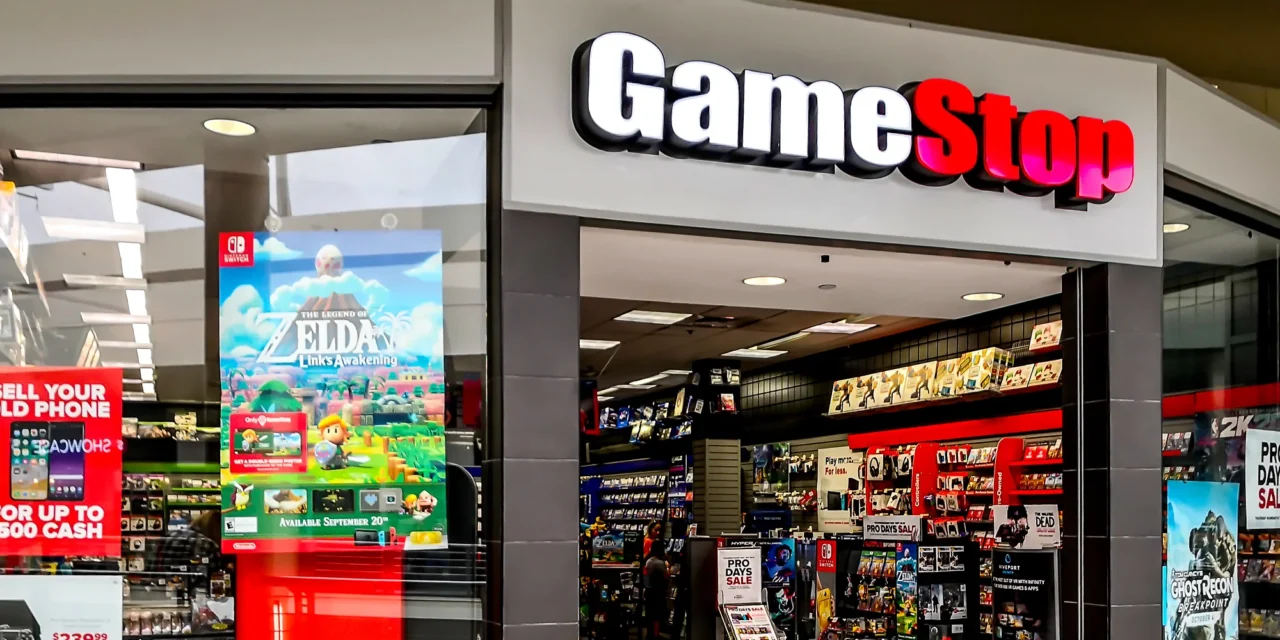
GameStop (NYSE: GME) has increased its stake in eBay (NASDAQ: EBAY) to nearly 10% after eBay’s board flatly rejected the retailer’s roughly $55 billion takeover offer.
The eBay board dismissed the bid as “neither credible nor attractive,” questioning how a company a fraction of eBay’s size could realistically finance a transaction of this scale.
GameStop’s original offer came at approximately a 46% premium to eBay’s February 4 closing price, the same day the company began building its initial 5% stake through derivatives and direct share purchases.
The videogame retailer subsequently converted that derivative exposure into common stock, purchasing 3.5 million shares for approximately $381 million and settling 39 million shares from put and call pairs on a single Friday.
The eBay board pointed to the fact that eBay’s market value is nearly four times GameStop’s, while also raising concerns over leverage, execution risk, and governance issues tied to the proposed deal.
GameStop’s proposed financing package includes roughly $9.4 billion in cash on hand and a “highly confident” $20 billion debt commitment letter, though both elements have drawn significant skepticism from eBay’s directors and outside observers.
Speaking on Bloomberg Television, GameStop CEO Ryan Cohen said “we’re coming for eBay one way or another,” and refused to say whether he would raise his offer, stating he would not negotiate against himself.
Cohen has committed $500 million of his own personal funds to the transaction, and GameStop shareholders have already approved an increase in the company’s authorized share count, providing greater flexibility to issue equity as part of any financing structure.
Cohen has outlined a strategic vision in which GameStop’s physical retail locations would serve as nodes for eBay’s marketplace and live commerce offerings, positioning the combined company to compete more directly with Amazon.
Cohen also noted that eBay’s management team and board had not engaged further with him since the initial rejection, suggesting the path to a negotiated deal remains closed for now.
GameStop reported April 2026 sales of approximately $835.3 million and net income of around $389.6 million, with profits rising sharply despite a revenue decline, driven largely by tighter cost controls across the business.
The company also reported operating cash flow of approximately $337.4 million and net cash flow of roughly $1.08 billion, giving Cohen a meaningful financial base as he pursues this takeover campaign.
GameStop expects Adjusted EBITDA to exceed $600 million this year, up from approximately $345.4 million in 2025, a figure the company will likely lean on heavily to demonstrate its capacity to support a leveraged acquisition of this size.
Not all investors have remained supportive of the strategy, with Michael Burry disclosing on May 5, 2026, via Substack that he had sold his entire GameStop position following the surprise $55.5 billion bid for eBay.
Cohen, who previously built Chewy into a major e-commerce brand before engineering GameStop’s transformation, is now eBay’s largest individual shareholder and is actively engaging institutional investors as the standoff shows no sign of quick resolution.
