
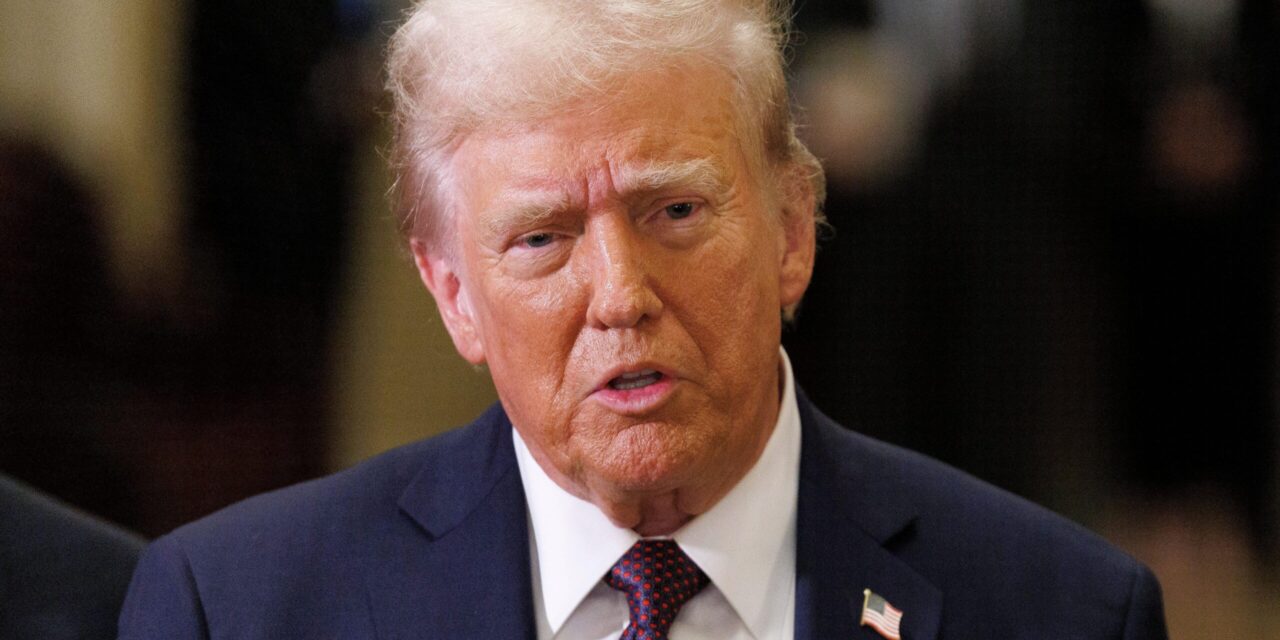
The integrity of American elections has once again become a flashpoint in national political debate, with President Donald Trump asserting that the country’s electoral system is fundamentally broken.
Trump’s claims have reignited longstanding tensions over voter confidence, election administration, and the broader health of democratic institutions in the United States.
The remarks have drawn particular scrutiny from swing voters, a group whose opinions often prove decisive in determining the outcome of closely contested national and state-level elections.
Swing voters, by their nature, tend to hold more nuanced views on politically charged issues, and election integrity is proving to be no exception to that pattern.
For some of these voters, concerns about the reliability and fairness of elections are genuine and deeply felt, reflecting anxieties that have built up over several election cycles.
Others in that same swing voter category are far more skeptical of the framing, viewing claims about a broken system as politically motivated rather than grounded in demonstrable evidence.
The divide among swing voters mirrors a broader national split, with Americans holding sharply different views on whether existing electoral safeguards are adequate or in need of significant reform.
Election administrators across the country have repeatedly defended the integrity of their systems, pushing back against sweeping characterizations that cast doubt on results without specific and verified evidence.
The political stakes of this debate are considerable, as public trust in elections underpins the legitimacy of democratic governance and shapes voter participation heading into future electoral contests.
How swing voters ultimately process and respond to these claims could have meaningful consequences for which candidates and parties they choose to support in the next round of elections.
The conversation reflects a tension that has become central to American political life, between those who argue the system requires urgent overhaul and those who believe such rhetoric itself poses the greater threat to democratic norms.
