
Europe’s summer heatwave is rapidly evolving into a full-blown energy crisis, with cascading disruptions hitting transport, fuel supply chains, and electricity generation across the continent.
Low river levels on the Rhine are restricting barge traffic, one of Europe’s most critical inland waterways for moving essential goods including fuel and coal.
The reduced navigability of the Rhine is driving up shipping costs significantly, adding pressure to supply chains that were already contending with multiple economic headwinds.
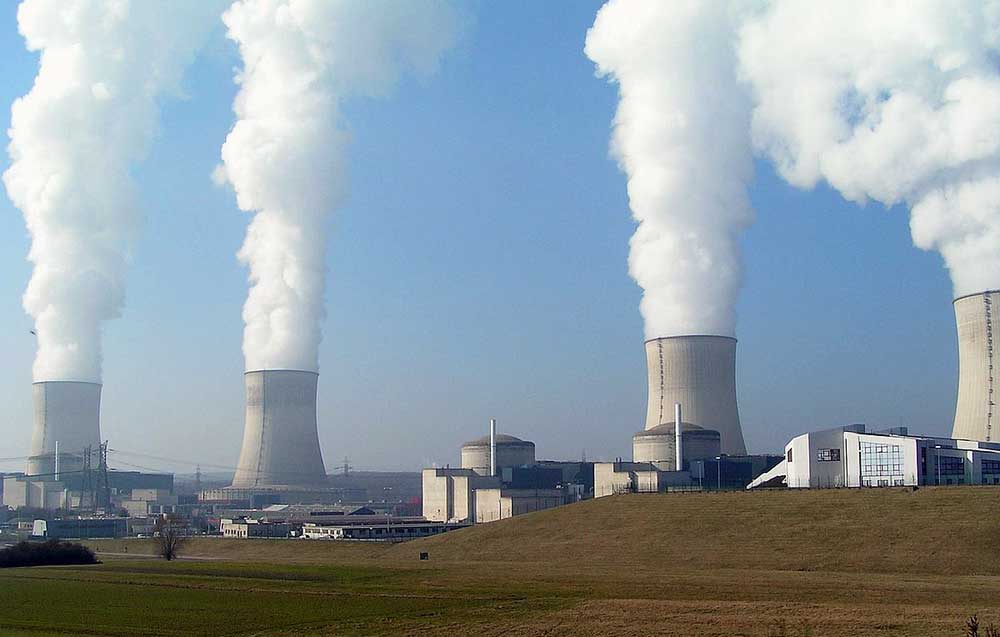
France has been forced to cut nuclear power generation as a direct consequence of the extreme heat, with reactors facing cooling constraints caused by dangerously high river water temperatures.
The reduction in French nuclear output is particularly significant given that nuclear power forms the backbone of France’s electricity generation capacity and feeds into the broader European grid.
As cooling water temperatures rise beyond operational thresholds, reactor operators have little choice but to scale back output, reducing electricity supply at precisely the moment demand is surging.
The timing of the crisis could hardly be worse for European economies, which are already navigating disruptions stemming from the ongoing Strait of Hormuz crisis that has complicated global energy flows.
Inflationary pressures across the region are being amplified by the combined effect of higher shipping costs, reduced energy output, and the broader supply constraints the heatwave is generating.
Economic growth prospects are being threatened as energy costs rise and industrial activity faces potential disruption from constrained fuel and electricity availability throughout the continent.
Europe’s vulnerability to extreme weather events as an energy policy challenge is once again being thrown into sharp relief, with the heatwave exposing the fragility of interconnected energy and transport systems.
The convergence of climate-driven disruption and geopolitical energy pressures represents a compounding stress test for European policymakers and energy markets heading into the latter half of 2026.
Analysts and governments will be watching river levels, nuclear output figures, and wholesale electricity prices closely in the coming weeks as the heatwave shows little sign of immediate relief.
